
[05.18.2020] Signals
This just might be the best thing you read today. “This virus has been, both literally and metaphorically, a disease of modernity. Why? Because It attacks via the vectors of modernity: trade linkages, obesity, diabetes, air travel, mass transportation, urban density, social media, etc. Understanding long-run change requires understanding where modernity itself is under threat, and whether those threats will lead to meaningful and investable change.” Paul Kedrosky: Sub criticality, Spread, and Future of Now.
For about thirty minutes this month, the world had a chance to get a first-hand experience of the power of Facebook. Well, at least the world that uses mobile apps on the iPhone. The social platform was having technical problems and as a result for about half-an-hour apps from companies big and small were all broken — thanks to a minor server configuration glitch. This is a problem when you rely on one company, or
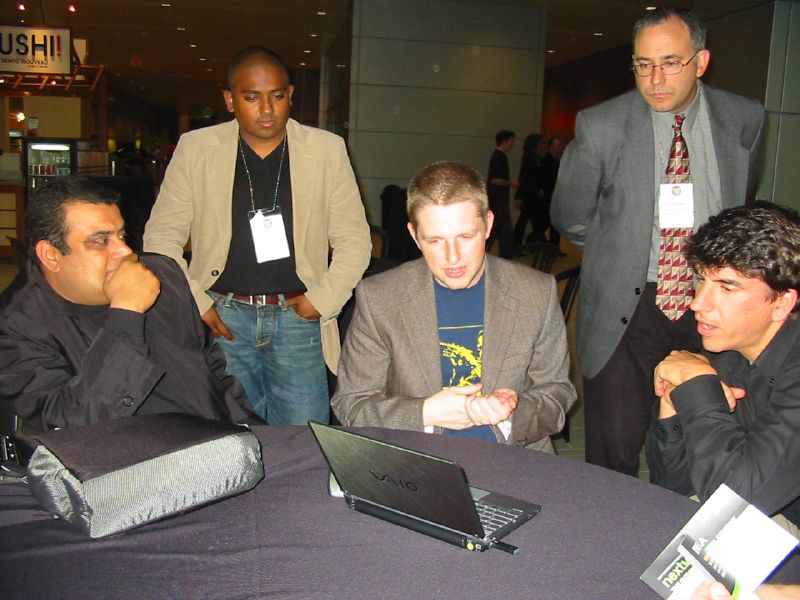 I couldn’t sleep so I started cleaning up my photo library and decided to upload some photos
  I have enjoyed Paul Kedrosky’s eclectic, sometimes sarcastic and satirical, but always smart writing since he was a wee analyst. So when he gave up blogging, I was deeply saddened. Sure, he wrote for Bloomberg and tweeted a lot, but it wasn’t the same. So that is why I am delighted to become a subscriber for
