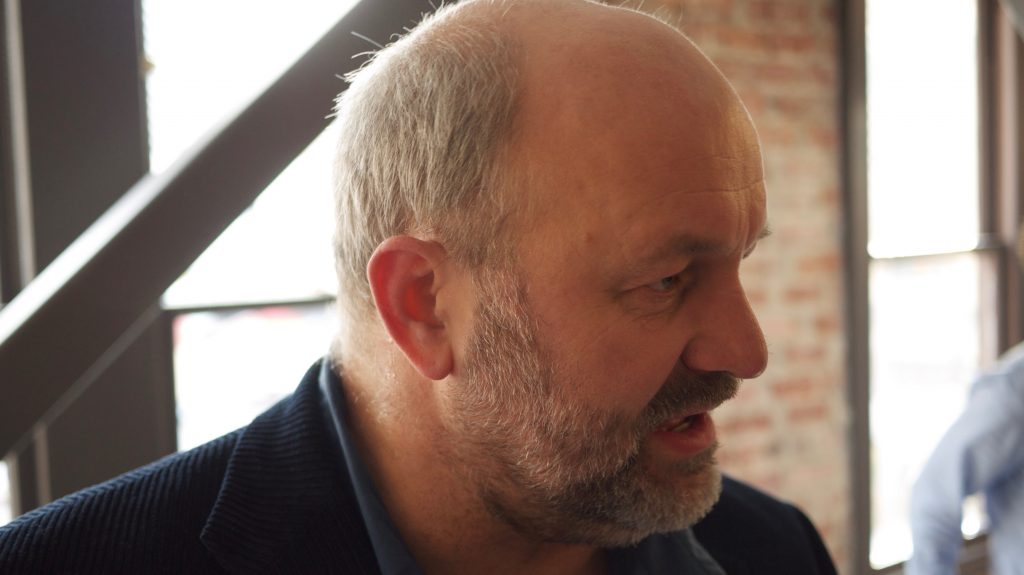
Werner & A Decade of Amazon Cloud

Werner VogelsWerner Vogels, chief technology officer of Amazon and the face of Amazon Web Services in a recent blog post reflected on the decade of Amazon Web Services and the ten lessons he has learned. Most importantly, when you go through the list, you realize that it is the template for modern software architecture.

What I love about Werner is that he can switch from talking about technology to philosophical and economic implications of technology and the cloud. I have had a chance to interview him on multiple times — all Structure Videos are somewhere on the web — and have had deeper discussions, many of them private. Getting a chance to learn from him was one of the highlights of my journalistic career.

Here are some articles I wrote about AWS over past decade:


Amazon CTO Werner Vogels: Cloud and SaaS are going global, fast

It goes without saying that when it comes to cloud, Amazon’s (s AWS) chief technology officer Werner Vogels has a pulse of the planet. Thanks to the boom in demand for Amazon Web Services and his endless evangelizing of its cloud services in furthest corners of the world, Vogels is intimately aware of how people are using cloud and how it is impacting businesses and people.

A few years ago, during the course of an interview, he told us the cloud with its pay-as-you-go led to more tinkering and that was good for entrepreneurial activity. That prognosis has come true and Amazon is now at the heart of the startup revolution. So a few weeks ago when I asked him where will cloud and cloud services will have the biggest impact, Vogels said one should look overseas, especially in countries that have little or no technology infrastructure.

Going global

Just as


Why Amazon (web services) and Dropbox need each other

Earlier this week, I stopped by at the offices of Dropbox, the San Francisco-based online storage and syncing service. It was quite amazing to walk through the company’s sprawling offices — the company now employs about 470 people. Five years ago, they were two guys — Arash Ferdowsi and Drew Houston — both MIT dropouts working on the service out of their studio apartment.

A few months later, they moved next door to me in a building in financial district and we would often catch up at our neighborhood Starbucks. Their relentless focus on making their service simple and invisible was a constant in pretty much any and every conversation.

That was then. The two-person startup today, according to sources close to the company, is rumored to be valued at more than $4 billion and is on its way to a billion dollars in revenue. It has about 200 million accounts