
Don’t call it AI
FastCompany: Put away your fears of artificial intelligence. Instead, think about AI more as assistive intelligence, and if we look back at our recent history, we can see why we need it.
FastCompany: Put away your fears of artificial intelligence. Instead, think about AI more as assistive intelligence, and if we look back at our recent history, we can see why we need it.
 FastCompany: Internet, advanced logistics, and a new breed of production methods to revive the idea of mass customized shirts, blazers, suits, and even shoes. Personalized fashion and other consumer items have long been a fantasy of many Internet entrepreneurs. Until now!
FastCompany: Today, Kano, Raspberry Pi and Arduino might be toys, but what they portend to is a future where ever so small computers, embedded everywhere and decentralized networks are going to be part of Internet’s next and much need evolution away from the aging client-server model. (My complete column archive is available here.)
My latest column in FastCompany: If the growth so far is astonishing, the big boom is yet to come and the next evolution of cloud will be driven by connected devices and growing presence of sensors in our world. (My complete column archive is available here.)
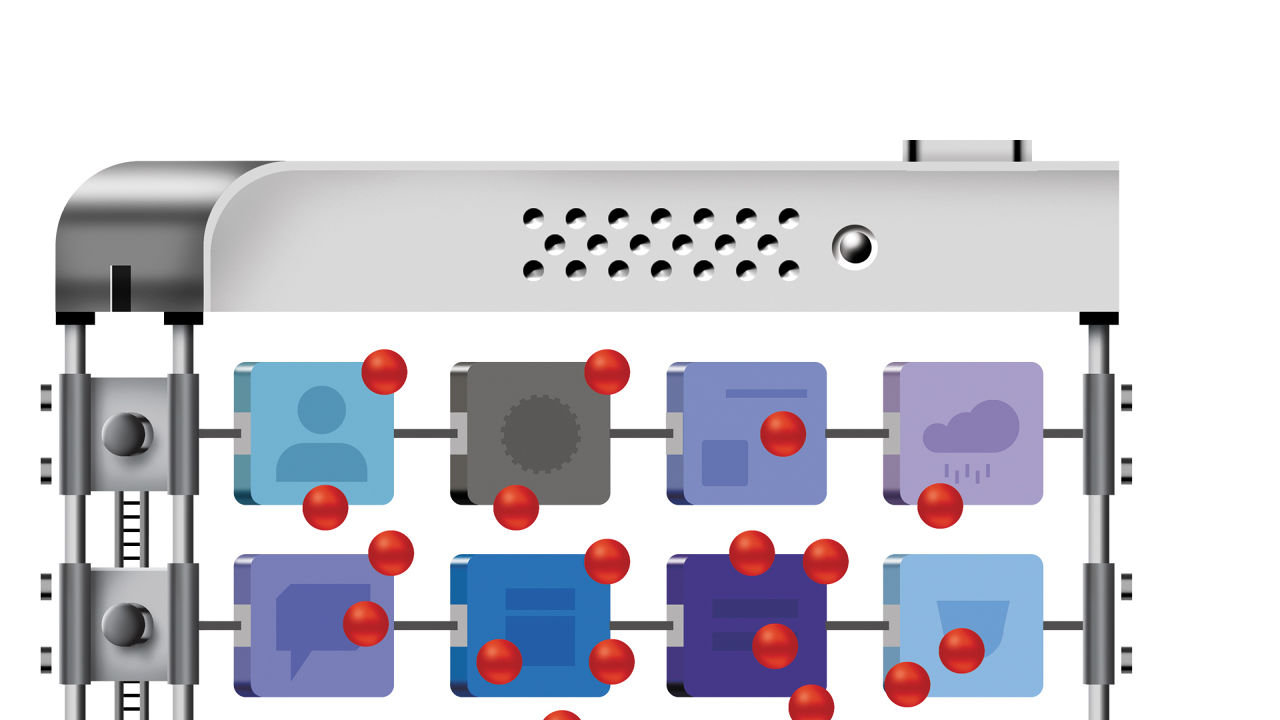
With the new updates to Apple’s iOS and Google’s Android released this fall, we are on the verge of another significant change in how we use the Internet. For six years we’ve been living in the world of apps, but in its place will rise what I’m calling the Notification Network.
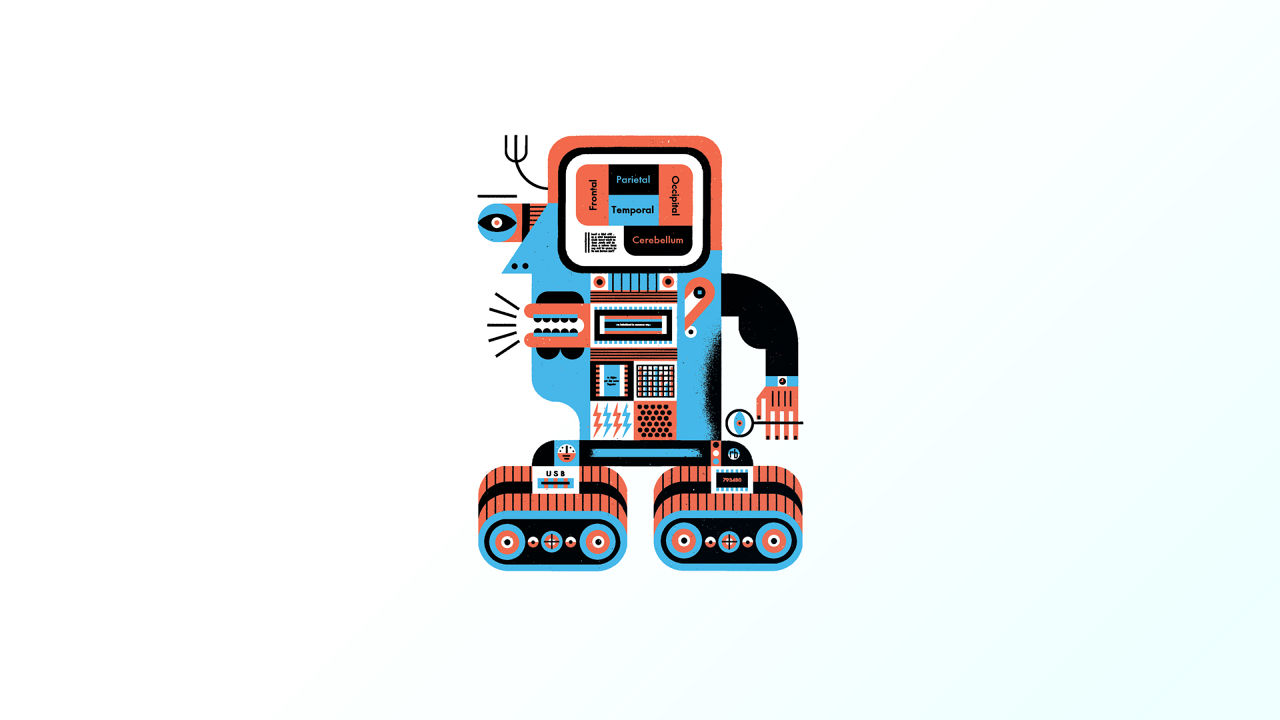 My latest column for the Fast Company magazine, Man & his Machines:
As intriguing as an app like Jetpac is, the future beyond it looks something like Google’s self-driving car. Although it’s still many years from commercial production, Google’s car is a good showcase for machines taking real-time data from our physical surroundings and mapping it to what’s already stored in the machine. Instead of waiting for us to make sense of it, it makes intelligent decisions. Eventually Google will take what it has learned from its car project and apply it to other information it knows about us–data streams from our Android phones, Nest devices, and Google Glass–creating a hybrid man-machine experience.
This brings up many moral and sociological questions: What will happen to serendipity and the joy of discovery? If we as humans struggle with Google Glass, how will we fit into this society? As Transcendence asks, Is

The strategy today is simple: In order to move fast, build what you can’t buy or risk losing control of your fate and becoming the next Palm, Motorola, or HTC. And if, in the process, you disrupt an Oracle or a Qualcomm? So be it. You can read my column over on Fastcompany.com.
Previous FastCompany columns:
 The Internet and its social services, like shopping, are supposed to be about more than just a transaction; they are about fun and emotional gratification. If Facebook is Bloomingdale’s, then Snapchat and Instagram are the new boutiques. Expect this trend to continue for a few years—because that’s what we want from the Internet. For now! Continue reading on FastCompany.com