
Subscribe to discover Om’s fresh perspectives on the present and future.

In its story about the Democratic National Convention 2024 (behind a paywall), Wired pointed out that the DNC is all-in on influencers. It has created an influencer paradise at its Chicago convention, with exclusive yacht parties and creators’ lounges, while journalists struggle to find power outlets and CNN anchors wait in security lines.
“Bringing creators to our convention will multiply our reach and ensure that everyone can witness democracy in action,” said Cayana Mackey-Nance, director of digital strategy for the Democratic National Convention Committee.
It’s all about the reach and influence of specific demographics. Democrats know that youth vote is their firewall — and can have an impact much like young voters did back in 1860.
Nearly 200 influencers were given special access and amenities not available to traditional media, signaling a major shift in political communication strategy. Welcome to 2024 — and our post-social strategy.
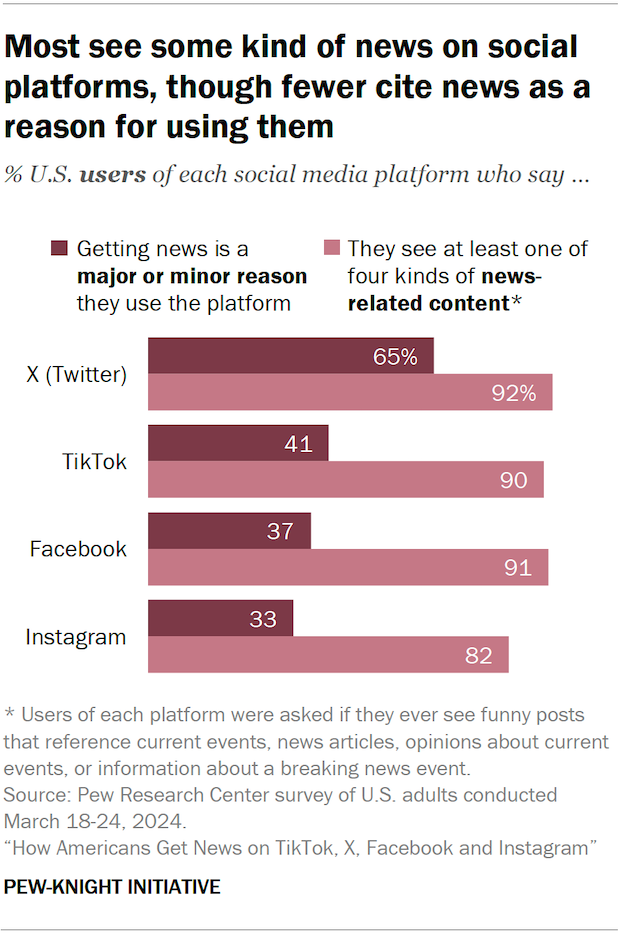
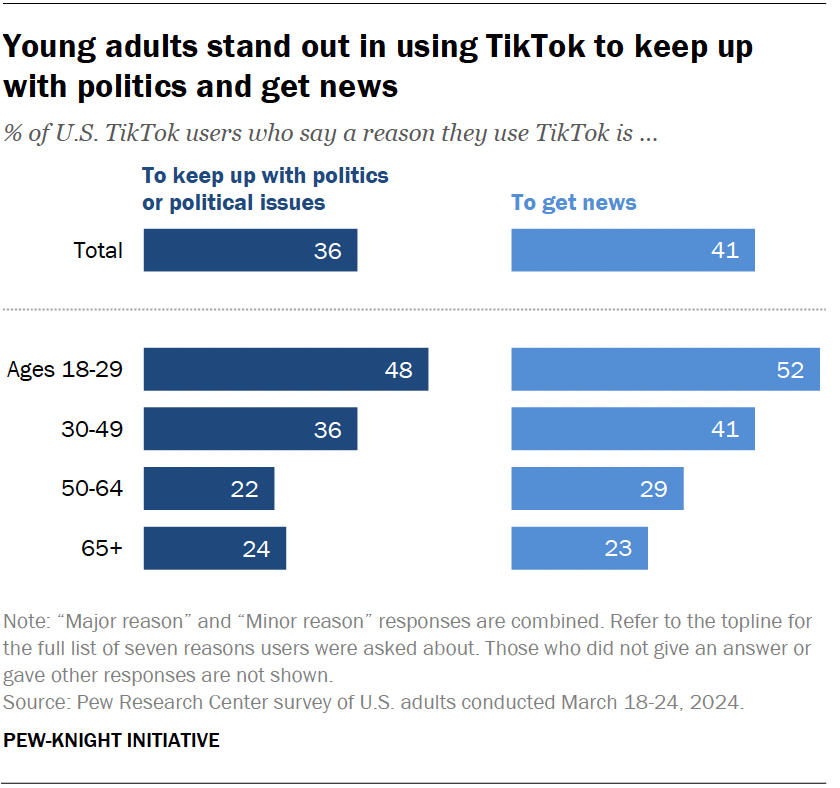
Influencers don’t ask real questions — they just want to create content without friction to feed the beast that is their feed. More importantly, younger members of the voting bloc have largely tuned out traditional news sources. Nearly half of Gen Z adults get their news from social media, compared to just 17% of Gen X. And in an attention economy, flooding the zone with favorable content is not such a bad strategy.
Helen Lewis, a British journalist who writes for The Atlantic candidly admitted:
The journalists haven’t had much space at the convention, and it’s hard to get on the floor. But content creators are getting lots of space to spread out. The campaign presumably loves them, because it’s like journalism without the hard questions—it’s fandom that looks like information delivery. There’s a huge right-wing ecosystem of influencers and creators, and there’s a real feeling on the left that they need to build a mirror to that, and get their own cheerleaders.
Looking beyond what she said, it is clear that the “Old media” is on a declining audience and influence curve. It seems we are at a tipping point where Reels and video stories have replaced what passes for intelligent discourse.
It’s no surprise that politicians are finally getting the memo, long after fashion, culture and tech brands got on the bandwagon. The most visible shift in my time as a technology writer was at Apple’s events, where influencers vastly outnumber the old hands.
What does this all mean? I started out in traditional media and quickly embraced the distributed, open media revolution that was “blogging.” I was and still am a big believer in “sources go direct,” and I am very much in favor of more influencers in more places. Today, traditionalists and purists in media have to work harder, be smarter, write intelligently and, more importantly, become influencers if they want an audience and want to rise above the noise.
There’s a sweet irony in our new reality — the king makers in white-shoe media companies have to stand in line while commoners get the attention gravy.
August 20, 2024. San Francisco
Comments are closed.
Some creators and influencers actually do ask hard questions, but yes the notion of journalism is changing. Trust, however, seems to be broadly shifting to creators that feel more like friends than the dispassionate TV journalist.
For every influencer who asks the hard questions, there are more fanbois who are happy to be told. Where do you think the attention goes? I talk to everyone but I don’t answer anybody. Not a road I like.
That sadly is the truth – media/influencer are ranked on how uncritical they can be 🙂