The problem with Facebook

Boywithadaimonring
 Photo courtesy of Emad/Stablity.ai via Twitter

The Verge reports on the internal challenges at Meta aka Facebook and how the company is trying to deal with it. Mark Zuckerberg, co-founder and CEO of Meta has painted Apple as enemy number one. I mean, why not. A slight change has lopped off billions in revenue and market capitalization. “Apple is going to be a competitor for us, not just as a product but philosophically.,” Zuck said. “It’s a very deep, philosophical competition about what direction the internet should go in.”

I am unsure what direction Apple wants to take us, but I can bet my last dollar; I don’t want to be in the future of the Internet that Zuckerberg is trying to build.

Our north star is can we get a billion people into the metaverse doing hundreds of dollars a piece in digital commerce by the end of the


Why Kylie is mad at Instagram? 

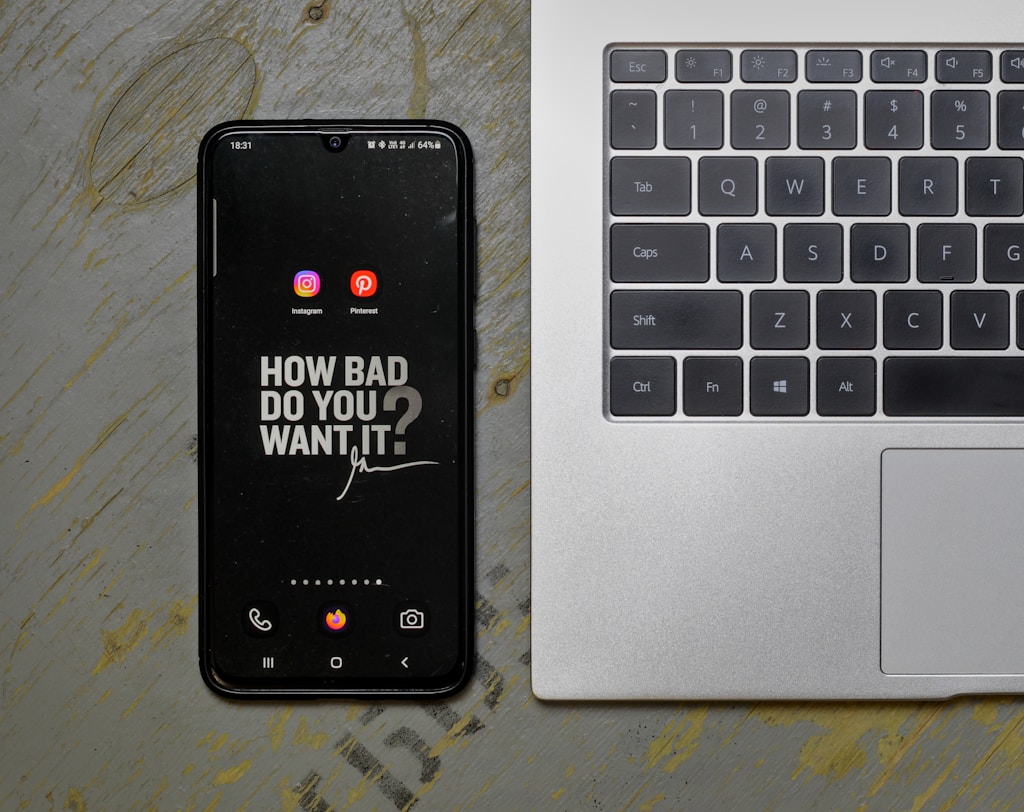
Phone with social media icons next to a laptop.
Photo by Zhivko Minkov on Unsplash

The Internet has been abuzz following a post by Kylie Jenner, an influencer famous for being the sake of being a famous person. On Instagram, where 360 million Instagram accounts follow her, she said Instagram must stop trying to copy TikTok and remain Instagram so she can see cute photos of her friends. First, to be precise – the original post was created by Tati Bruening, who has 315,000 followers. 

Kylie being Jenner that she is, added “Pleaseeee” and took the attention away from the original post. Soon, family doyen Kim Kardashian and others from the clan of famous Internet people joined in. It got the headline machines humming. And the melee has become a significant news story – I mean, it’s not like we are dealing with war, climate crisis, or inflation. 

***

What has Instagram done that the Kardashians & the Jenners are so upset? Earlier in July


MetaJob

Facebook, if nothing else, is good at diverting attention away from itself and its pesky public relations nightmares. It doesn’t matter how bad things get – they know that everything becomes the proverbial fish wrap in time.  

Do you even remember that it was not even a week ago when The Facebook Papers dominated the media cycle? Me neither! I had already forgotten what it was all about. The slush of repetitive media coverage based on internal documents was nothing more than just a public relations headache. 

It was an easily solved problem. Change the company’s name (start with a careful leak,) throw in some vision, whip up a slick video, and then on the day of the annual developer conference, rename yourself, Meta. Facebook’s new name comes from Metaverse, which according to its CEO Mark Zuckerberg is the future of the internet where you are “in the experience, not


Facebook’s flawed leader

Perhaps realizing that the internal mutiny and mistrust of his leadership was spreading quickly, Facebook CEO Mark Zuckerberg brought back Chris Cox, a long term employee who had quit the company last year. Cox is now the chief product officer. Cox was well-loved among the rank-and-file, perhaps because he has better social skills than his master. A lot was made of the Cox comeback. For me, this is yet another example of the much-used strategy I call “the Zuck Doctrine.” 

The Zuck Doctrine of management is pushing to the extreme, see what you can get away with, and then apologize and try to shift attention elsewhere. 

Bringing back Cox won’t change the fact that Facebook’s entire strategy is based on targeting, monetizing, and advertising. And addiction to growth at any cost is the real challenge. Cox, now is head Tariq Aziz among a group of Tariq Azizs. Let’s not forget, there is but one king. And


Leave Facebook

One vote doesn’t seem like much. On its own, it hardly matters at all. But if you think of yourself as part of something bigger America, let’s say then that one vote can make a difference. Many votes together can change the course of history. If you don’t make good use of your vote, you enable those who would abuse our ideals to come into power, maintain control, and destroy what we value.

Facebook is no different. You might be one person with just one account, but you are not powerless. Being a part of Mark Zuckerberg’s algorithmic empire is a choice. If you believe that Facebook is causing long-term damage to our society, and you don’t agree with their values or their approach to doing business, you can choose to leave.

I left Facebook under two years ago, but I remained trapped in Zuck’s hell on earth.


Real reasons why tech giants are hugging “Remote Work”

This past week Facebook became one of the largest proponents of remote work. It made headlines for considering allowing people to permanently work from home. In doing so, it joined the likes of Twitter, Square, and Shopify, all of whom are recent, post-pandemic converts. (The idea is not so new to companies like GitLab and Automattic.)

This is the same Zuckerberg who felt compelled to force employees to move closer to Palo Alto. The one who resisted the idea of a San Francisco operation. This guy is suddenly the poster child of “working from home?” Why this abrupt shift in the management philosophy of companies like Facebook?

To answer this question, you need only to abide by the golden rule: follow the money.

Those fancy offices, catered lunches, and all the other luxuries that allow people to pretend that they are still in college and getting paid for it —


FaceTime with Tech’s Dual Reality

Whenever I am anxious, I have trouble sleeping. I find myself tossing, turning, and waking up in the middle of the night just to sit and stare into the dark. Over the holidays, I had one of those phases again. I felt nervous and worried — specifically, about my parents, who live in Delhi.

My father, who is almost 80 years old, was in the hospital. He suffered heart failure and had pneumonia. My brother had flown to Delhi and was with him, taking care of all the stuff. But I was stuck in San Francisco, anxious, restless, and overcome with the negativity that any immigrant feels when they are far away from aging parents.

My entire family was using WhatsApp to coordinate everything. My mother loves WhatsApp phone calls, so she had been burning up the fiber cables with my sister. My brother knows me well, so he would


Fake News is Spam

Another week and another Facebook drama! And once again it is reinforcing the fact that fake news is spam. We get too tripped up in the editorial aspect of the problem when it is a technology problem. For the past four years, I have been repeating this ad nausea. So I am glad to see that others are finally waking up to that reality. The sad part is that like the commentators, the companies too react to these issues, instead of being proactive in solving the problem.

That is why we have problems with Facebook and its inability to control the madness. Crank calls and robocalls were spam of the phone era. The email had its spam. Text messages also became spam. Why are we surprised that social media posts became spam — in most cases as fake news. Tomorrow it will be video and virtual reality spam.

At the end


Facebook’s Dereliction of Duty

Almost like a tribal drumbeat, there is now a predictable rhythm to how often we hear about Facebook’s many challenges. Every week or so, the media glare brings out more corporate secrets. But while they are titillating and make for great reading, the gripes of the media —who have their own axe to grind with Facebook for what it did to their business — often distract from Facebook’s real failure: dereliction of duty.

At some point, like many people, I became okay with the idea that Facebook will suck in more and more of our data until we are living in a perpetual motion machine of hyper-personalized advertising. But this acceptance was premised on the assumed agreement that, even as it treated us like the passive citizens in Wall-E, Facebook would be able to keep its platform clean. It would protect its treasure — our personal information — with the vigilance of a medieval emperor. The borders of its data empire would be guarded with a ferocity befitting Genghis Khan.

The company has clearly failed to hold up its side of this bargain.