How Not to Interview (Interesting People)

As a photographer who is primarily a writer, I like reading about photography so I can learn from those who create. I do that by reading photo magazines and listening to podcasts. One such magazine is Aperture. They take me out of the noise and bring me right into the core of the work. Photographers I don’t follow, or don’t know. Always a pleasant surprise.

In a recent issue they ran an interview with Christophe Lemaire and Sarah-Linh Tran. I have followed Lemaire since his time at Hermès, so I was genuinely excited to read about how he and Tran think about creating. Lemaire is one of the few fashion brands that earns the word “philosophy.” These are people who think in multiple planes: fabric, cinema, sociology, memory.

The initial excitement soon turned into disappointment. Not with the subjects but with the actual interview, and more specifically with the person


Word Boost

You might have noticed an increase in the number of words I am publishing these days. I don’t know why. Or how. Somehow a lot of things have clicked in my head. I quietly switched from consumption to creation mode. It is my process now. I happen to keep reading, lurking, and thinking.

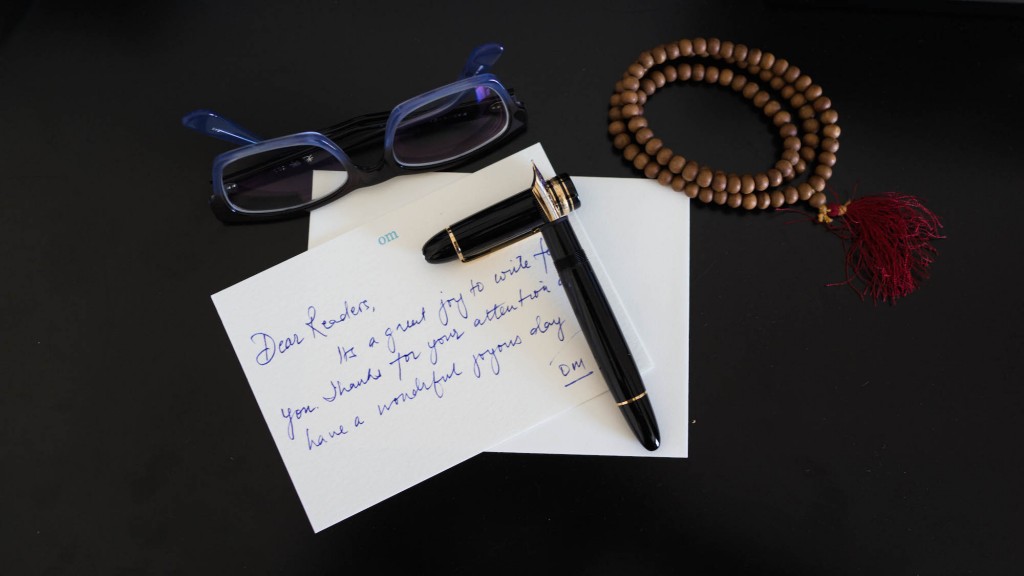
It also gives me an opportunity to use my fountain pens, ink, and paper. I love writing and thinking in longhand. I used to have the opportunity to take notes when I was a working reporter. These days I don’t use the old reporter’s notepad. But old habits still die hard. Plus, drafting in longhand and then typing it out later is a good way to edit your copy. And boy, do I need to edit and need a copy editor. Plus, as they say, too many pens, too little time.

At least for now, I am


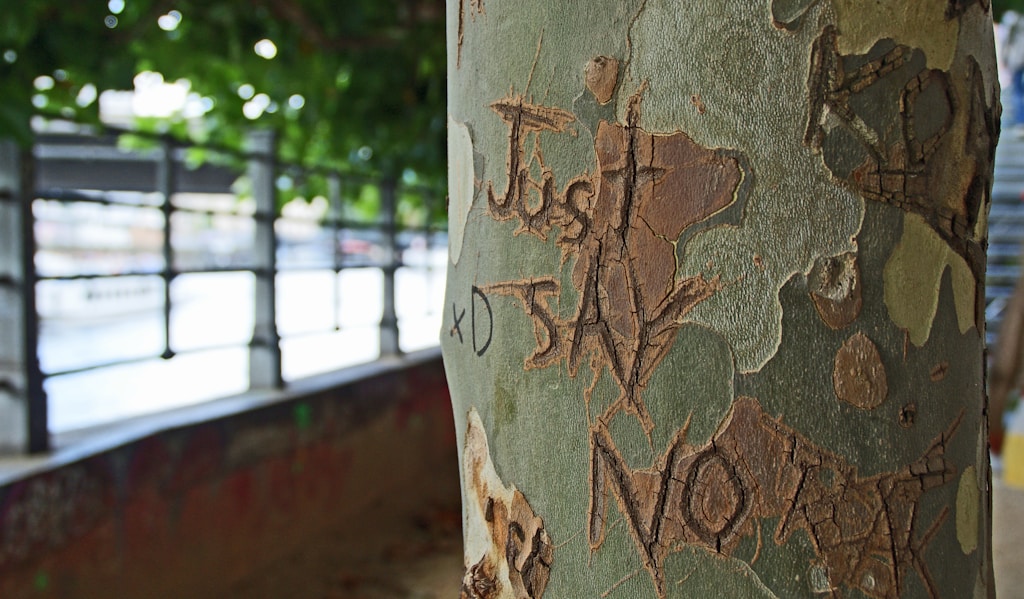
Just say no!

shallow focus photography of just say no carved on tree trunk
Photo by Andy T on Unsplash

iA Writer has no focus, or vision, for what they want to be. There’s a little bit of the hyper popular wiki-style linked notes apps (Craft, Notion, Mem, Obsidian, and all those who came before). There’s a little bit of the historical writing interface that iA Writer made obscenely popular. And then there’s this sense of Text/Code Editor they have baked in. And there’s file management.

iA Writer, when it came out, was extraordinary. I loved it. But the current iA Writer feels like an app being product managed by someone who feels as though they need to morph the app into whatever the latest bit of feedback they got in their emails — without a sense of being willing to say ‘no’. It’s not a good app anymore.

Brooks Review

So many apps and services suffer from feature creep and this desire to


Is writing a contact sport?

Writing is an intellectual contact sport, similar in
some respects to football. The effort required can be
exhausting, the goal unreached, and you are hurt on
almost every play; but that doesn’t deprive a man or
a boy from getting peculiar pleasures form the
game.”

The Silent Season of a Hero, Gay Talese


Analog Pens, Apple’s Pencil & Talking Machines: writing & its future

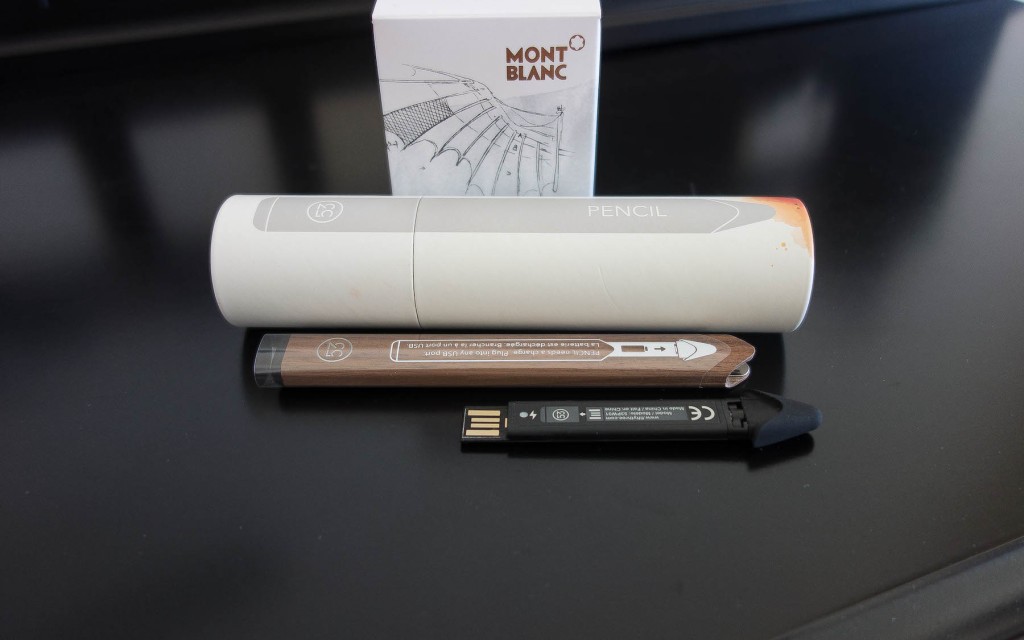
As you know, I am a big advocate of writing on paper with a pen. Many studies have shown that we learn and retain more information when we write with our hands. Sure typing can let us capture more information, but writing gives more cognitive context. Today, we mostly type on our keyboards. Some of us have started to use Apple iPad and the Apple Pencil. Jon Callaghan, my partner at True Ventures, is an unabashed fan of Remarkable.

The challenge with these digital writing devices is that they are a “one size fits all” solution. In the analog world, writing instruments are highly personal, and each one fits our unique writing styles, and where we fall in the demographic spectrum — age, gender, and geographic locations define what we use to write. Writing surfaces, aka the paper we like, too are highly personal.

I personally prefer fountain pens and


Where did the words go?

black text on gray background
Photo by Pixabay on Pexels.com

E. B. White, an essayist for The New Yorker (and author of many books), once said: 

"A writer who waits for ideal conditions under which to work will die without putting a word on paper." 

He probably was describing me — during the last week. At the start of this month, I set myself a goal — blog 500-word pieces every day. It was an effort to become a writing fit. I hope to write for a column for a publication shortly, and I want to regain my writing skills. As you might have gathered, I didn’t hit my goals this week. 

This week’s failure made me reflect on my past. When I was a professional writer (blogger, if you are pedantic), my writing was reactive, whether to some breaking news or a conversation or an interview. And on rare occasions, it would be like


Homestead

Somewhere in the Grand Tetons. Photo by Om

Are newsletters the new blogs — or is it that blogs are newsletters? I can’t tell. For me, however, the blog is my homestead. 

A homestead is an isolated dwelling, with some adjacent buildings, built on a large plot of land. They are not only independent, but they are devoid of the cacophony of busy places. Each one is unique and representative of their resident. 

In my case, I write and muse about things that matter. More often than not, I write about technology. I also write about my life. And sometimes, I write about photography, baseball, and other interests. Sometimes, I invite you to comment on things. Most of the time, I try to just think out loud.

Like a homestead, I have some adjoining buildings: a section on photography, a podcast, and a place where I write about objects

And I have a couple of


Pete Hamill, RIP

I didn’t have the luxury to study the fine arts in college. I didn’t go to journalism school. So all my writing skills were acquired by osmosis and practice. I would voraciously read books — all types of books. From noir to travel to classics — everything that I could find in my local library.

When I grew up — figuratively and literally — I started to search for my voice as a writer. Given my sense of conviction around whatever topics I wrote about, one of my editors suggested that I should read Pete Hamill, then a columnist for The New York Post. And I did, and since then have read everything he wrote, and kept on reading him, even as his production declined due to age.

Hamill’s writing is vivid — full of color, texture and most importantly soul. I quickly realize that I didn’t have the faculties