

What’s in a name? A lot.

Like a great work of art, a good name should live forever — David Placek.
It was in early 1998 when I called David Placek. His company, Lexicon Branding, had recently come up with the moniker Pentium for Intel. And nearly a decade earlier, he came up with the name PowerBook, helping to turn Macintosh Portable into a billion-dollar business in its first year. We got on famously and ended up spending a lot of time talking names and why they matter.
I was cleaning up my apartment this morning, and I came across a thin volume he had sent with a note that said, “It’s been a while. How about some lunch?” COVID-19 intervened in our get-together, unfortunately. But the book is pretty awesome.
After early successes with Apple’s PowerBook, Intel’s Pentium, and P&G’s Swiffer, Placek and his team have gone on to work with a number of modern names and startups that will be familiar to most readers. Examples include Sonos and Impossible Foods.
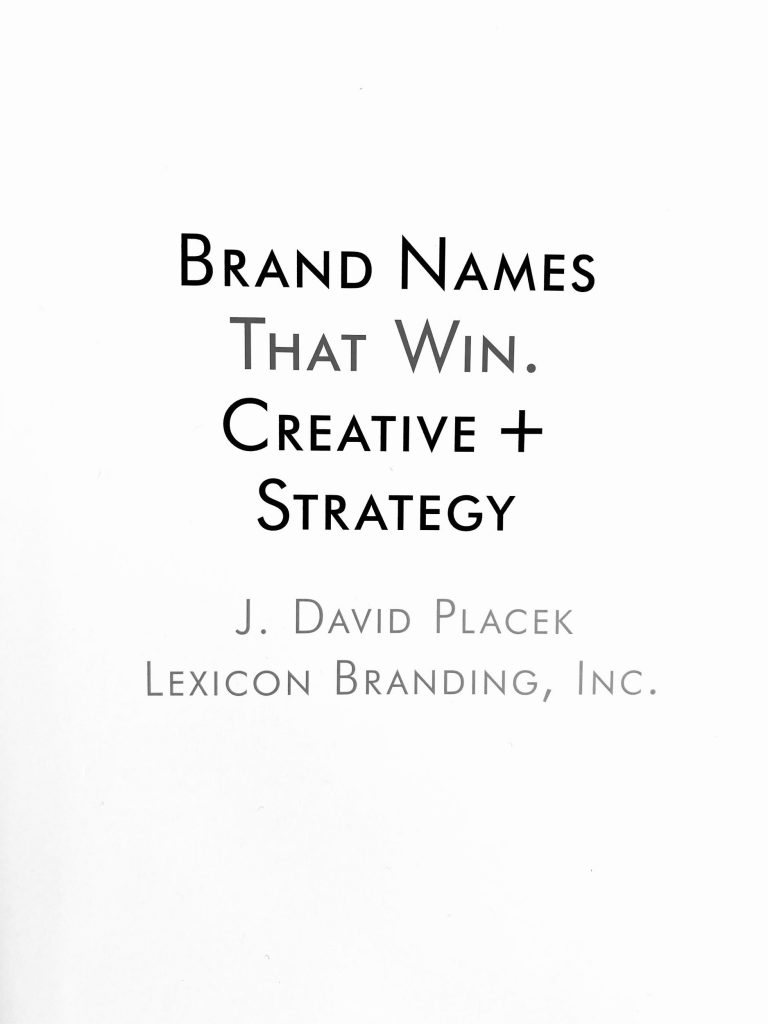
“Naming has always been important. But in today’s digital world, naming has become far more critical and far more challenging,” he writes in the introduction to this book. “The effect that brand names can have on the development of new products and new companies is often underestimated.” The book bottles his wisdom gathered over three decades and thousands of projects.
You have to have a name. But with the borderless nature of our economies, various trademark challenges, and other hurdles, you are lucky to land on one that is worth having. As Placek writes, “The right name delivers more value than ever before.” It tells your story and allows your brand to “communicate across mediums, languages, and cultures.”
The book is a quick read, and though it costs $25, I think it is worth it. It is jam-packed with so many gems. I have recapped some of his best tips when thinking about a name for your product and your company. Every startup should at least consider these tips when figuring out a name for their work.
- Names are tools for moving a company’s message forward. Never forget that your name is the one thing your competitors cannot take away from you.
- Don’t be boring. One of Albert Einstein’s most popular quotes applies to brand names: “Imagination is more important than knowledge.”
- Keep it simple: Who it’s for, what it does, and why people should buy it. Clarity is the language of leadership.
- Make every letter count. Don’t spend all of your energies on meaning. Sound and letter structure is equally important. P&G’s Swiffer, for example.
- Use short words. “Sonos was selected for its seamless nature and its ability, in just five letters, to support the idea of an operating system for sound,” Placek writes.
- Never make a statement when you can tell a story. The name tells a story.
- Don’t use superlatives. They only lead your customers to discount your story. The last thing they want is another overpromise.
- Communicating a new and better idea begins with personality. Examples of names with personality include Dibs (which applies a word or phrase from another category), Impossible Foods (which makes an unexpected claim), and Wonder Bread (which makes a bold claim).
- Make a promise and deliver on it. Apple’s Powerbook, which fundamentally changed expectations for computers, was a good example.
When thinking about David’s tips, three startup names stand out for me: Zoom, Slack, and Robinhood. Zoom is simple and easy. And that is why everyone can use it. Slack is bringing an attitude (and it is the exact opposite of using superlative). Robinhood, though, wins for me. It is a perfect name — clear, but with an attitude. It is certainly not dull. Another name that I love is my friend Hiten’s new company: FYI. It is short and to the point, and you can’t get simpler. Ditto for IRL, an events and meetup focused startup.
What are some of your favorite startup names, and why? Either leave a comment or continue the conversation on Twitter.