

Leica SL3: First Impressions

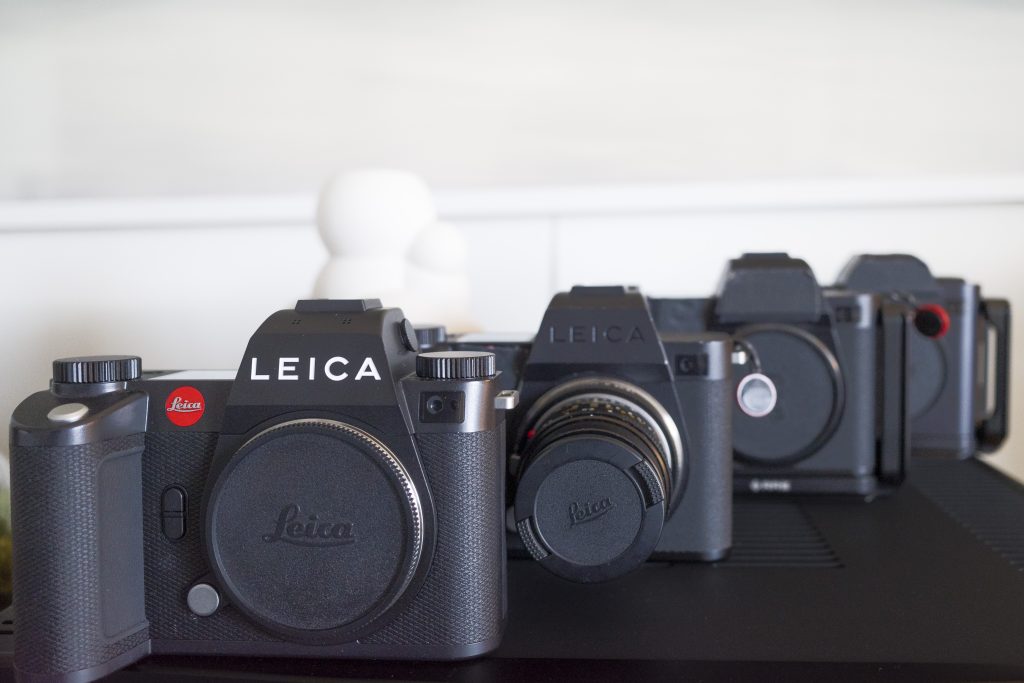
The veritable German heritage brand, known for its cameras and optics, Leica, has announced a brand new flagship mirrorless camera — the Leica SL3. I have had a chance to use a pre-release version of the camera for a day (or so) and have quick early impressions, especially from the perspective of someone who has used various models of Leica SL camera for most of my creative work. In other words, this is a set of tools I know very well.
To set the stage, let me give you a little background about my history with the SL System.
Until 2015, I was primarily an iPhone photographer and very briefly used the first version of the Sony RX100 camera. However, my adventures in photography began with the Leica SL (601), which was first introduced in 2015. That camera still is part of my photography kit — and is still going strong. (My Review of Leica SL) It has traveled with me to many different places.
I tried to switch to the Leica SL2 for a few months. The Leica SL2 was nearly identical to the original Leica SL, except for a better eyepiece, a bigger sensor (47 megapixels) and the simpler three-button interface that is featured on all Leica cameras. It had USB-C and it was also faster. Most changes were good — except for the loss of in-built GPS. The new sensor was not to my liking. It was noisy, the colors were off, and more importantly, its output did not feel Leica-like. (My initial impressions of Leica SL2.)
In 2020, Leica introduced the SL2-S, which was essentially a new camera despite the SL2 tag. It looked the same as SL2, but it had a better sensor, better processor, and more importantly, it was only 24 megapixels. Or as Apple’s Phil Schiller would say: bigger pixels. That made the SL2-S perfect for low light photography (and videography). The Leica SL2-S was perfect for someone who primarily creates black-and-white or near-monochromatic color images.
It produced files that had depth and subtlety in its mid-range I have never experienced in any digital file before. The files also had sublime image stabilization, and most importantly there was literally no noise in the files even at extremely high ISO. It took less than a few minutes to import files into Photoshop, run my custom preset and have an image that satisfied me.
It is the perfect companion for my two favorite lenses — the (manual) Leica M 50mm APO Summicron and 90mm APO Summicron lenses. I have used the Leica, Sigma and Panasonic’s automatic lenses with SL2-S, but for me, this is a camera made for the M-glass. The older the glass, the more subtle and emotive the look. I am not even sure why I have not done a review of SL2-S, but that is the best camera Leica has ever made.
So, that brings me to the brand new SL3.

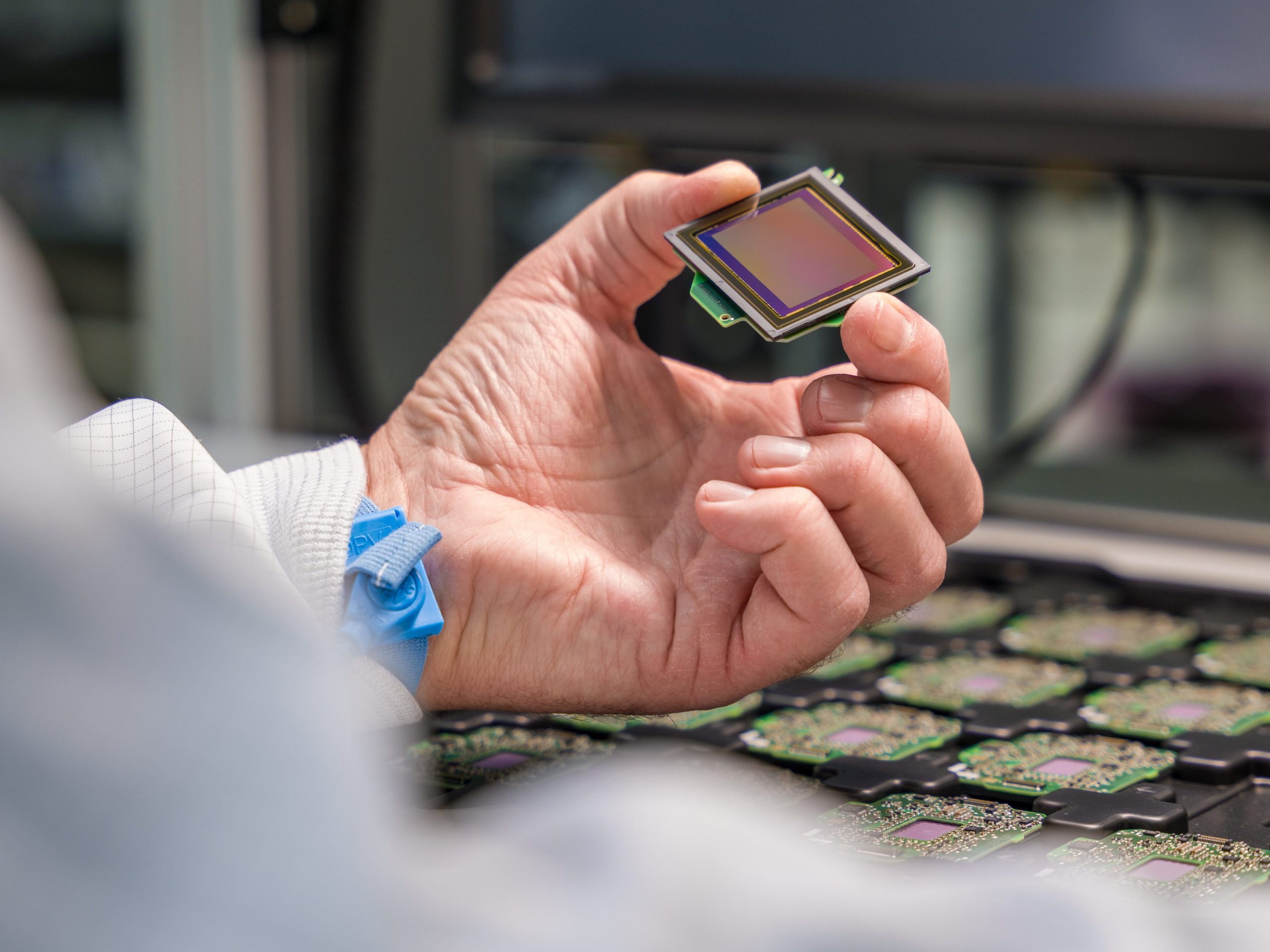
The SL3 has the same 61-megapixel sensor. It allows a photographer to capture images at 60, 36 or 18 MP resolutions, using the full sensor surface in each resolution. This means that the camera captures all the information from the 61-megapixel file and includes it in the 36 or 18-megapixel variants. The file sizes are roughly 90 megabytes, 50 megabytes and 20 megabytes respectively. The big sensor also makes the SL3 a good candidate to use APS-C lenses — you get 26-megapixel files.
I had the camera for about 36 hours. About half a day was so rainy and windy that I couldn’t go out and capture any photos, even if I wanted. Once the rain stopped, I got a chance to walk around various parts of San Francisco and put the camera through its paces.
What I really liked about the camera:

- Leica says the camera has lost 80g in weight (769.67 g w/o battery & body cap), lost 3mm in height (now 104mm) and lost 5mm in width (141mm). It might not seem like much, but it does feel noticeably smaller and lighter. I was walking around with a Leica SL f2.8/24-70 lens. SL3 fit my hands better and gave me a better overall grip.
- I hated the tiltable screen on Leica Q3 because it compromised the clean aesthetic of the Q3 body. The 3.2-inch high-res tiltable touchscreen feels completely natural in the new body. It sits flush within the body, and unless you wanted to use the screen, you wouldn’t know it was even there. While it is not as impressive in its dexterity as some of the other modern cameras, it works well within the design limitations of the Leica’s design language. Despite my initial reservations, I am very impressed.
- The camera has a new Maestro processor, which makes the camera super fast. The camera has 8 GB buffer memory, twice that of SL2, giving the camera a good ability to use one of the three image capture technologies —phase detection (PDAF), depth mapping (Object Detection AF), and contrast recognition (Contrast Detection AF). When I went back to using the SL2, I realized how much faster and better SL3 is as a camera, as SL2 has only contrast autofocus.
- SL3 has a few other design upgrades. Instead of a toggle switch, there is new power button. This new power button has an LED light around it, which provides additional information to the user, such as when the camera is charging, or when the camera is in sleep mode, for example, or if there’s an error, such as there’s no SD card in the camera. I am partial to the toggle switch, but this is a welcome improvement. It is well designed and integrated into the body.
- The camera has an additional customizable top dial, and this is the one that is totally tripping me up. I am so used to not having something at the top of the camera that programming it for special functionality would make it difficult for me to switch between the new and the old cameras. However, this is a “me” problem, because not many people go out with two cameras. And purely as a devotee of Bauhaus aesthetic, this new dial feels so un-German, so un-Leica.
- I am not sure why they have not upgraded the 5.76 million pixels eyepiece that is already available on SL2 and SL2-S.
I am going to give the Leica SL’s hardware and industrial design teams full marks. They have managed to cut weight, reduce the size, add more features (such as CF card slot), streamlined and smoothed the rough edges, and made the camera more contemporary with the latest in technology. And they have managed to include a tilting screen without making any compromises.


The Software Side Of Things
While hardware is going to get the oohs-and-aahs, I am equally impressed by the software and user interface improvements. The Camera OS feels more complete and robust. However, the brand new user interface and interaction language makes this a joy for me. Here are just two small examples that make using the camera easier.
- The camera has completely redesigned the menu on the SL3, and it is totally touch-friendly. Leica redesigned the entire menu and every single icon. You could mistake the menu for a modern mobile phone. Every icon opens up a menu. The number of icons in the camera has gone down from 200 to around 70.
- The camera has a built-in gyroscope (for IBIS) that allows the camera to display icons in the portrait mode as well. It is a little thing, but it is what we modern smartphone users intuitively expect. If you want to have a little more clarity, you can activate that black translucent background behind the icon for better visibility. Am I gushing? Yes, because I am nerd for these things.
I can access all the important features from the icons. I am not sure if it is going to be that easy in very cold conditions where I have to wear the mitts, but for now, I am suitably impressed with how much easier it is to use the camera.
But ultimately, the camera is about creating images. But before I do that, let me tell you about another Leica experience. In 2022, two years later, I got to try the Leica M11, which was a brand new take on Leica M. It had a brand new 61-megapixel Backside Illuminated (BSI) sensor, a new processor, great image stabilization, and a gorgeous screen. It looked like it could be a perfect landscape camera — one camera, three lenses. I tried it on a trip to Iceland and later when visiting Wyoming.
Both times, I realized that I didn’t like what I was seeing in the files. I noticed that the results were plenty sharp. The images felt very saturated. They felt a bit hot — I know, a highly technical term. I felt that the images were a bit too processed, but again that is a very subjective point of view. Nonetheless, the files from M11 felt very modern. In fact, I had to work with my friend Rebecca Lily to create a brand new preset to help tame the files. Rebecca had heard of similar tales of dissatisfaction from other M11 owners, so I know I wasn’t alone.
And that is why I approached the new SL3 camera with quite a bit of concern. I was worried that it would be a repeat of the M11 scenario: a camera that renders images a bit too sharp and a bit too saturated. And I was right — the files are properly sharp and saturated. They are a bit too much for me — but for the majority of photographers, they would qualify as good. The files are the kind of files you expect from modern cameras — and Leica is betting that the quality of its lenses would give the images a unique Leica pop.
I used the camera with three different lenses: the SL f2.8/24-90, a Contax f1.4/85mm lens (with an adapter), and my M f2/50mm-APO Summicron lens. The images were crisp, clean, and very robust. If the M11 files were an instant disappointment, the SL3 files haven’t put me off just yet. I really need more time with the camera to have a good opinion.
That said, there is a lot more to like about the camera than I thought. Of course, I will need to spend more time with the camera to get a better understanding of the camera and its capabilities. I have not put in my order for the camera just yet — it costs $7000. But, I am thinking about it!
SOME PHOTOS FROM THE CAMERA
Here is a sampling of (right out of the camera) photos from the Leica SL3.
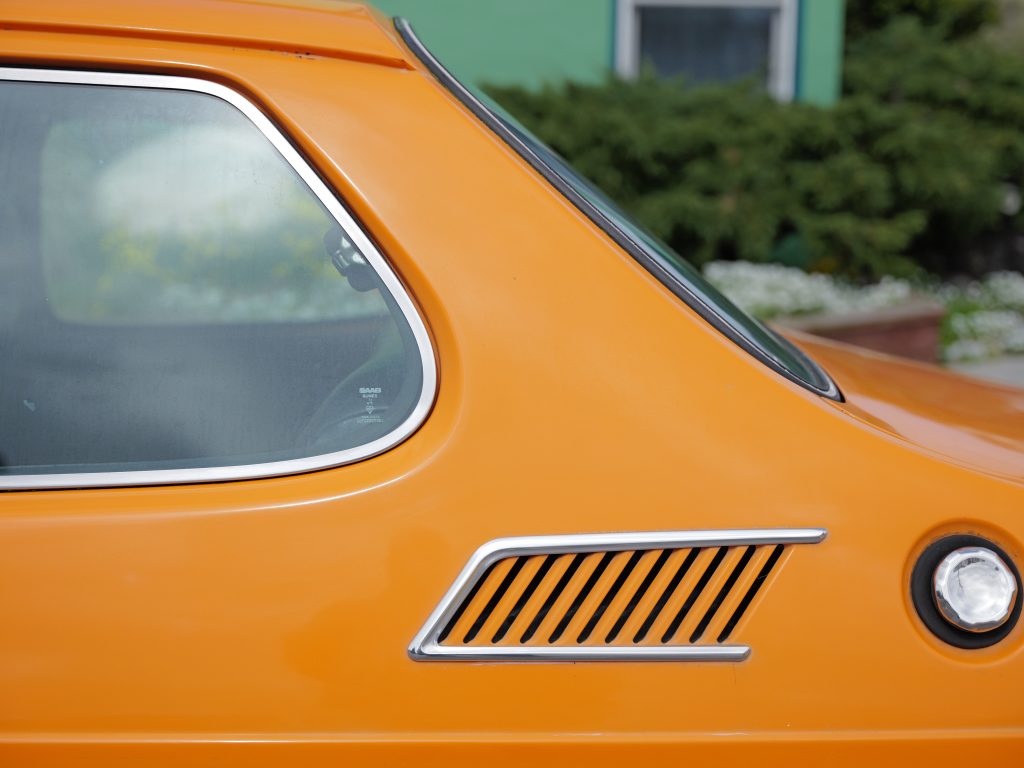
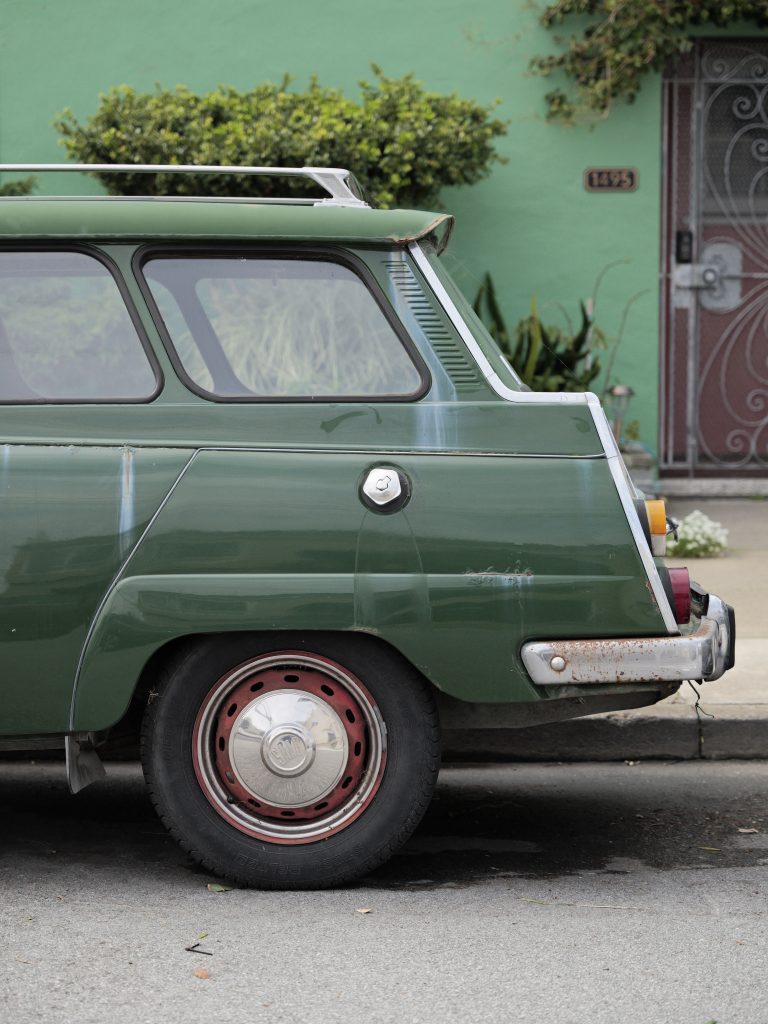
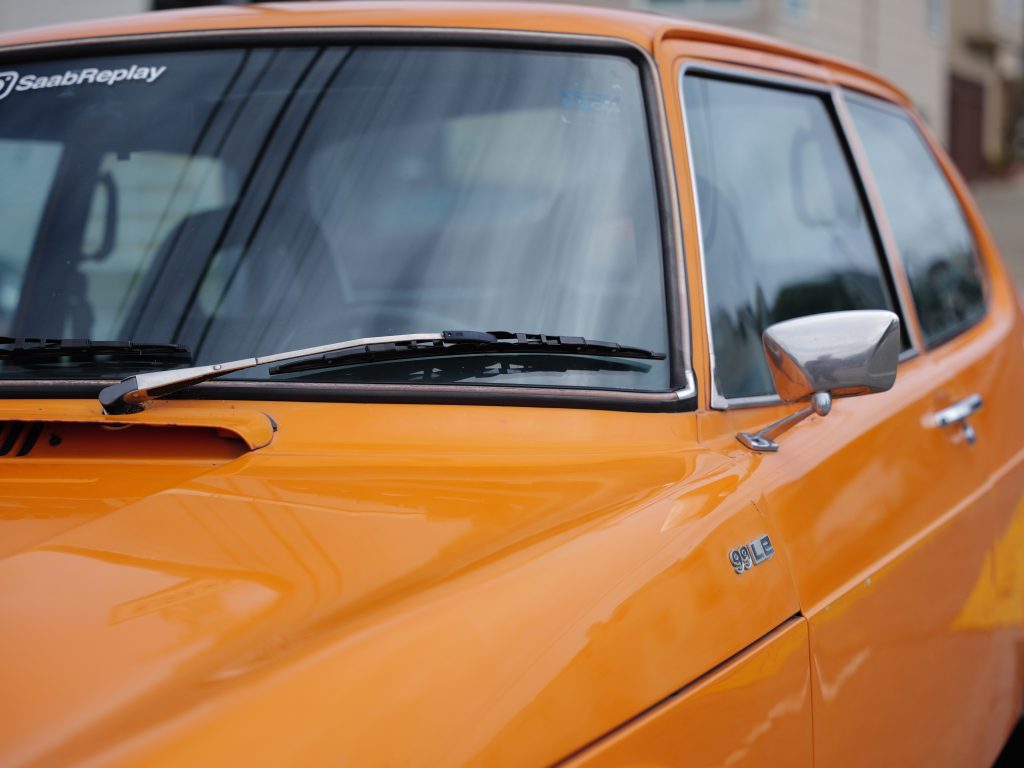
First Posted On March 7, 2024. Location: San Francisco
11 thoughts on this post
Comments are closed.
And you managed to find two old SAABs!
I am a sucker for Old Saabs and Old Volvos. We have a few of those in San Francisco.
This is not in the Leica ballpark but I’ve recently switched to a Sony RX1RII, a 9 year old model with a fixed 35/f2 lens for street photography work. I’ve loved the results so far.
As a Swede, I grow up with a SAAB 99 and later a 900. I love to see the alk old SAABs, specially the cab, whenever I visit the Bay Area.
Indeed. For some odd reason, all the old hippies loved their 1960s Volvos. All the boomer architects and designers love their Saabs. I don’t even drive — I love good classic Scandinavian (food and) design.
Thank you Om. Nice review. It appears that this camera will require folks to settle in and grow together with it. I believe Leica needs to take this into consideration with new releases. They would be foolish to follow the Sony approach, thereby, expecting their followers to fork over $$ every 18 months in pursuit of the latest tech gizmo.
David,
Thanks for the comment. You are right — they need people to grow with the camera. It is too expensive to be swapping out every year or every 18 months. I wish they had a taken a deep breath and introduced a much higher quality EVF, and some of the higher end IBIS and better card slot management.I think two different formats is a terrible idea.
Leica personally needs to take a cue from Apple — and build products with technologies that are going to be relevant for about next five years, at the very least. And what that means that they need to design machines that can use software to keep enhancing it.
Om, what do you think about the SL3 image quality in low light? My intro to Leica was with an SL2. I like the camera, a lot, but am disappointed with how noisy the images are in low light.
It has the same low light performance as the M11, with slightly less noise. I much prefer the SL2-S to the SL3 for low light. I think SL2 was a terrible machine, and hence never got a full review from me — I kept using the SL 601 and then switched to SL2-s which I absolutely love. I would advise you to sell your SL2 and swap it for a pre-owned SL2-s. Unless you absolutely need a big sensor, SL2-s is a good camera for those who do low light photography.
There is no image stabilization in M11, my friend.
You are right. My bad.