

Field Notes. 07.17.2024
“In 2023, intense competition among over 100 LLMs has emerged in China, resulting in a significant waste of resources, particularly computing power. I’ve noticed that many people still primarily focus on foundational models. But I want to ask: How about real-world applications? Who has benefitted from them?”
Robin Li Yanhong, the founder and CEO of Baidu
On My Mind
Xiaomi recently showed off a factory run without humans that can produce 32 million phones a year. That got me wondering about China and robots — especially considering its population is set to contract. What I found was quite amazing. China clearly loves robotics more than other countries.
“In 2022, 52% of all industrial robots in the world were installed in China, up from 14% a decade earlier,” according to a research report by the Information Technology and Innovation Foundation (ITIF), a think tank. No wonder the robotics sector is booming in China. The report notes that “since 2017, there have been over 3,400 robotics startups in China.”
The United States might have started the robotics revolution, but China has taken the lead. I have always maintained that if a country is the primary market for a particular technology (or product), it has an edge over other regions.
Personal computers, enterprise software, and entertainment are perfect examples of the U.S. coming up with newer use cases for those technologies, leading to their future mutations. China’s manufacturing and logistics focus has helped it take the lead in many markets that need manufacturing scale. Robotics, with AI, is simply the leading edge of that expertise.
Worth Reading
Apple’s VisionPro might be available in more markets, but it is nowhere close to setting the standard for augmented reality. Meta’s glasses are leading that market. This indicates where AR glasses are headed: smaller headsets, simpler interfaces, and a strong relationship with smartphones. CNET has a good overview of the market.
How a small-town auto mechanic swindled Wall Street Investors, the U.S. Treasury, and even Warren Buffett out of $1 Billion. The Atlantic digs into Jeff Carpoff’s “too good to be true but not implausible” solar-energy breakthrough. I enjoyed this story.
Worth Watching
In a lecture at the G10 conference, Bernardo Kastrup, the director of the Essentia Foundation, lays out a case for is silly. It is worth a watch!
Found on Internet:
- Denim brand G-Star Raw is working with scientists to grow cotton in greenhouse environments. So far, the results seem encouraging, though the yields need improvement.
- Nichols is a small family-owned company that controls most of the ice cream truck market. Now that’s a sweet near-monopoly!
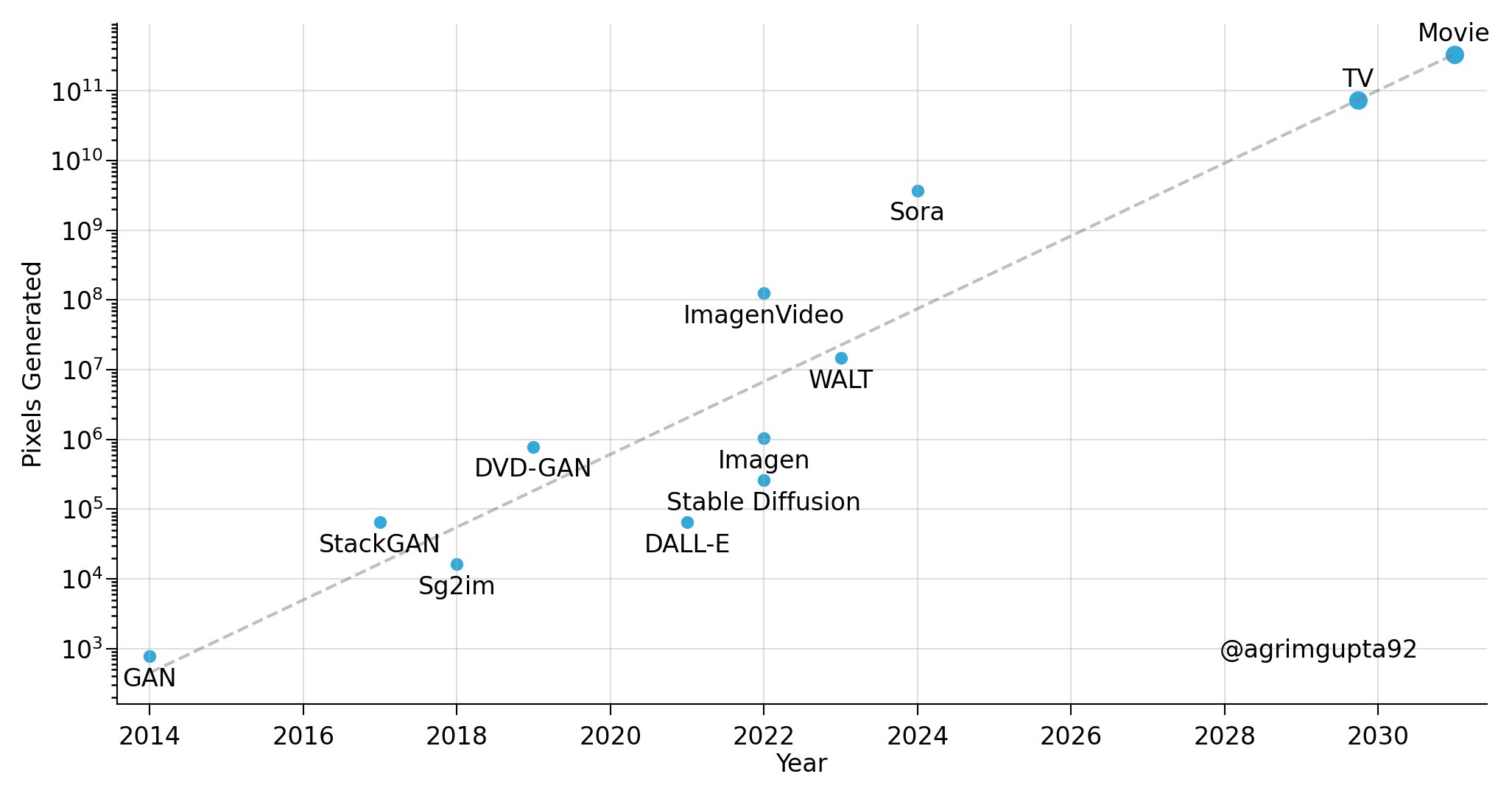
- Agrim Gupta on Twitter: “Every 2 years AI systems can generate 10x more pixels. At this rate of progress we will have AI generated TV episodes by 2029 and movies by 2031.”
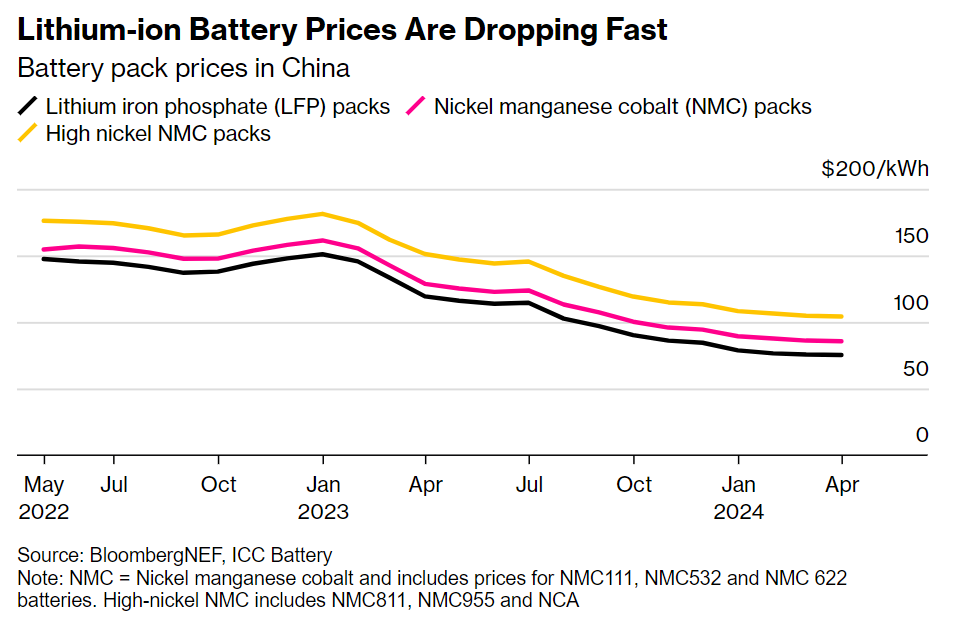
- “Battery cells at $50/kWh means the technology to decarbonize most of road transport globally is already here, as opposed to in some future scenario,” Colin McKerracher said in Bloomberg’s Hyperdrive newsletter.