
Subscribe to discover Om’s fresh perspectives on the present and future.

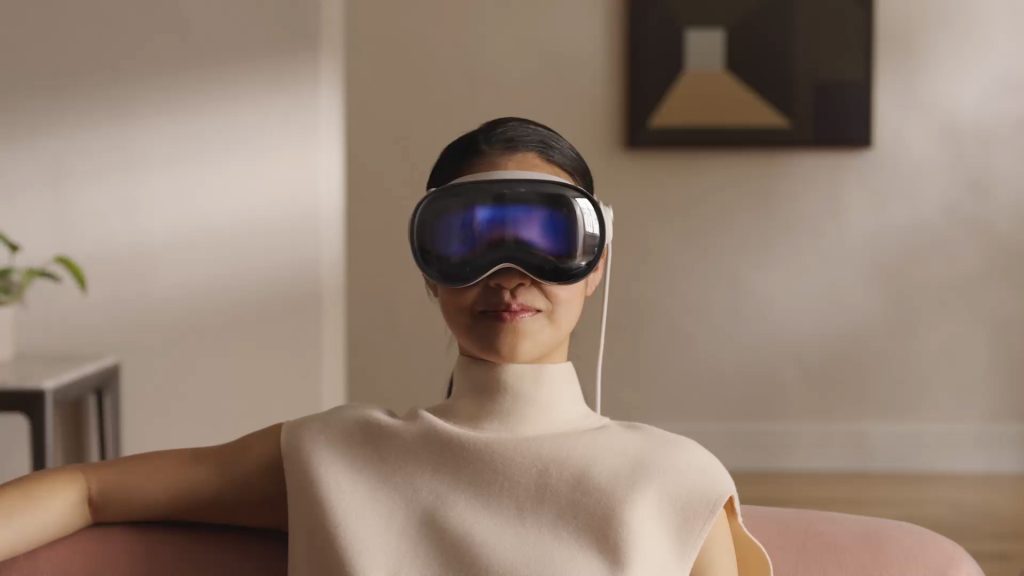
Apple kicked off the 2023 edition of WWDC, its developer conference, with a 2-hour long keynote that saw the company announce the next versions of its five operating systems( iOS, watchOS, iPad OS, tvOS, macOS), three new Macs, including the highest-end Mac Pro, and most importantly, a new “mixed reality” platform, Vision, that includes a new OS and a $3499 headset, Vision Pro.
Forget all the other announcements, the only real reason to pay full attention to Apple’s WWDC keynote was the launch of the new mixed–reality platform. I have already shared some thoughts on Twitter, but I wanted to recap and distill my big takeaways from the keynote.
I have been privileged to be at the launch of many of the new Apple products — I didn’t write or cover Apple till the turn of the century. My first official event was the launch of the iPod. And then, I saw Steve Jobs launch the iPhone and the iPad. And I was there at the introduction of the Apple Watch. And now the introduction of the Vision Pro. This is akin to the iPod and iPhone launch, where the device catalyzed a significant social and behavioral change.
When Sony launched the Walkman, it gave music feet. The iPod took that idea further into the digital realm and trained the mainstream to expect any music anytime, anywhere. It also accelerated the “headphone” culture, where we slowly receded into our cocoons — perhaps becoming less social. In 2019, I made a case for the future of TV and what Apple can do about it. Today, I saw what I had theorized play out on the big keynote stage. They had Disney CEO Bob Iger on stage talking up the platform — at a time when he has a laundry list of migraines.
The Vision Pro will do the same for video content and make us much less social, no matter what Apple’s demos try to project. I will say the “headset” is along the expectations I had and outlined it as much in my piece this past week. We will see our behaviors change and impact our society — just like iPod and the iPhone.
To elaborate on my point that the device is a behavioral and social change catalyst, let me give the Vision Platform — hardware and operating system — a historical context.
It is relatively easy to see the impact of Mac and iPhone, but it wasn’t that obvious at launch. Just look at my limited understanding of the impact of the iPhone.
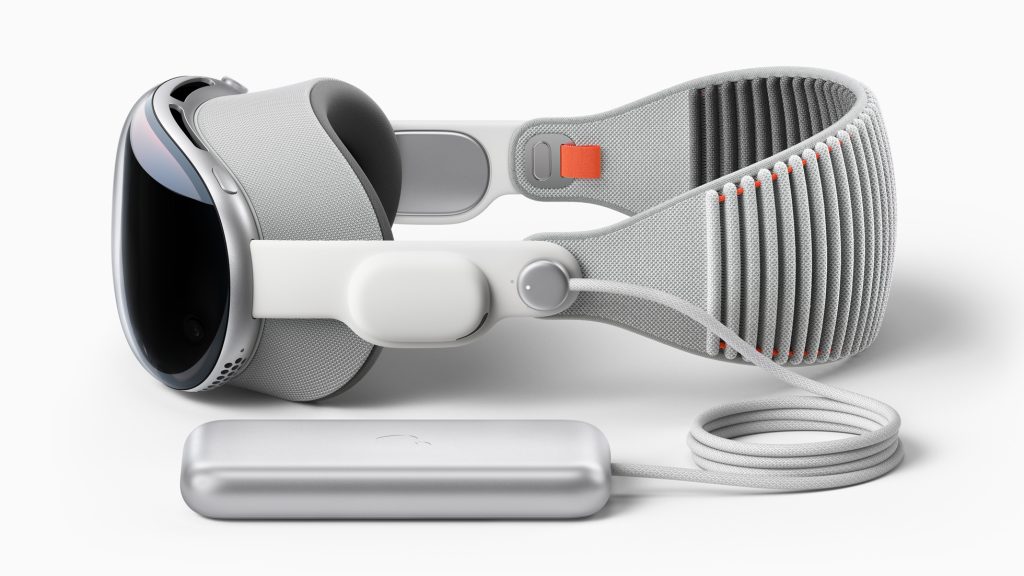
After the keynote, I got very close to the VisionPro. While I couldn’t touch it, I was close enough to see that all that hardware design experience has helped Apple create an exquisitely engineered headset. It borrows and builds on everything Apple has learned, making billions of iPhones, millions of iPads, Apple Watches, AirPods, and every accessory that Apple has made in its post-iPhone-incarnation.
Just as the original iPod and iPhone made the then-leading hardware platforms look dowdy and fusty, the new $3500 Vision Pro does the same to its main rival, Meta’s Oculus. Vision Pro is a good showcase for Apple’s real strength — the ability to make complex innards and marry them to its silicon prowess. Apple developed a new R1 chip that takes inputs from 12 cameras, five sensors, and six microphones to give the system a natural feeling. Somewhere in there is an M2 chip, and it is hardly a surprise that it needs that much power that the battery life is mere 2 hours: unplugged. The original iPhone had a battery life of five hours when it was announced in 2007, and the battery life improved to 8 hours at launch. So there is hope for improvement.
The little thing that stood out to me — Apple is making corrective lenses with Zeiss for those who wear vision-correction glasses to ensure they can use them. I wasn’t trolling when I tweeted, “Dear Zuck, this is how a real hardware company does hardware.”
It won’t surprise me that everyone would want one of these Vision Pros in three years. And now that Apple has shown the way, Samsung would create its copy, and some Chinese technology giant (most likely DJI) would own the market with its low-cost devices.
With its ability to create immersive experiences, the Vision platform means we will need a new way of thinking about media and content. VisionPro might not be fantastic today, but it will redefine our relationship with the screen – which will no longer be flat, not two-dimensional, and immersive.
I see a future in which generational AI, AR, and platforms like Vision will create a new entertainment experience. In a few years, whether it is live sports streams, games, movies, or documentaries, things will be different. For the longest time, we have created digital “content” and “experiences” for a two-dimensional screen. If Vision Pro becomes successful, then we will see. Whether Apple is the beneficiary of this shift remains to be seen — it needs a renewal of vows with developers and needs to bring fresh new thinking into the company.

Whether it is iOS, iPadOS, or MacOS — it has become obvious that most of these platforms have hit a level of maturity that all the company can do is introduce incremental software updates. A better “contact card,” no matter what you call it (TK), is still a contact card. Creating stickers from your photos is not that groundbreaking or novel. With many of the original thinkers and creators gone, replaced by professional maintainers, it not that much of a surprise that there aren’t any big ideas or prominent features in the new versions of
Many new features are Apple’s interpretation of existing apps and or are features available on devices made by rivals such as Amazon, Google, and Meta. Much as I love the new name for the next version of macOS (Sonoma) or that the “duck” autocorrect is going to be “ducking” gone finally, I can’t help but think to myself — oh man, they did turn iPhone into a Chumby.
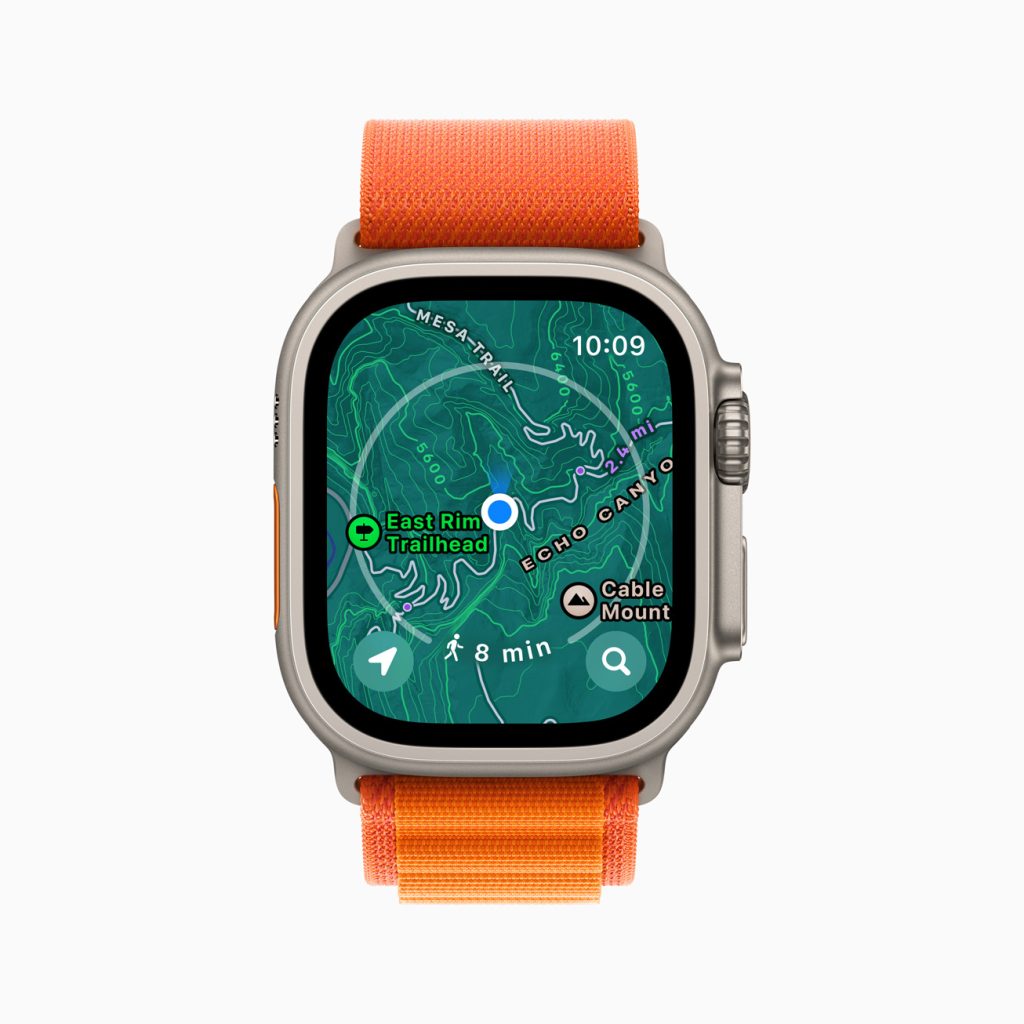
Since watchOS is not as mature as the previously mentioned three operating systems, it seems to be getting the most exciting updates. It probably also is helped by the fact that they are focused on “health” and “wellness” and, as a result, can push the user experience, design, and hardware capabilities in one direction. I like what they are doing with watchOS 10, and I look forward to seeing how Smart Stack works on an Apple watch. My cyclist and hiker friends will be pretty happy with the new upgrades. I like the focus on Mental Health and Vision Health. Even though I am not much of an Apple Watch user — I love analog watches too much — I use it often enough to know that they have done an excellent job of consistently improving it. Apple Watch is a good example of the “Apple Way” — no matter how clunky the start, make it sexy and sleek till you eventually find the right purpose for a new platform.
In the latest iOS 17, Apple will allow Facetime to leave audio and video messages. The iPhone will also have Live Voicemail — which will offer real-time transcriptions, and all calls identified as spam won’t be offered as live voicemail and will be instantly declined. Currently, these services come with my T-Mobile service, and I guess I won’t need them. Telcos are truly dumb pipes now.
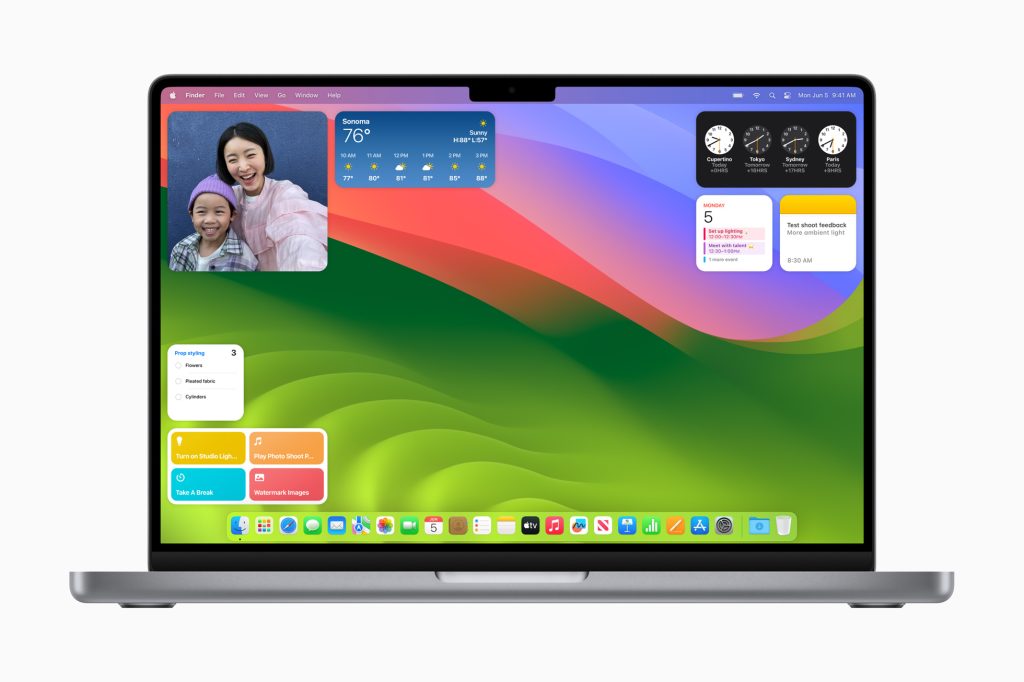
Back in 2006, I wrote about the “widget” revolution and organized a conference. Since then, the idea of “widgets” or “mini-apps” on the desktop has been born, reborn, and born again. The latest incarnation is, of course, on Apple’s macOS Sonoma. This is not the first time Apple has flirted with widgets. Widgets aren’t the old new idea at Apple: the company is touting web apps: or turning page pages into web apps for direct access from the dock or the desktop. Steve Jobs was pushing that idea when he launched the iPhone in 2007: long before there was an app store!
Apple has hemmed and hawed in India, the second-largest mobile market on the planet, instead focusing on China. Over a decade ago, I wrote that Tim Cook & Co. were being shortsighted and handing over the market to Android. Since then, the massive adoption of Android has helped Google better adapt its operating system and services for the local market. It is better at understanding different Indian accents and local languages and has very effective maps trained by hundreds of millions of Android devices. Siri and Apple Maps don’t even get a passing grade.
Nevertheless, with changing geo-political realities and a desperate need to diversify away from its over-reliance on China, Apple has started a push into India — it has opened new stores and, of course, has set up “assembly units” in the country. Apple’s sudden strategic importance is reflected in many Indian media and influencers at the show. A few years ago, the Chinese media and influencers made their presence felt. As I joked on Twitter, the number of reporters from a strategic nation is directly proportional to “corporate needs.” Even in private conversations, a handful of Apple executives mentioned India.
All photos courtesy of Apple.
June 5, 2023. San Francisco
Comments are closed.
In my opinion, Apple products, especially iPhones, have slow updates compared to Android, unconsciously Apple actually imitates Android features more