Why did OpenAI buy Jony Ive & Co

OpenAI, made the biggest acquihire in  Silicon Valley’s history. Sam Altman and his crew  bought Jony Ive and his coterie of ex-Apple hotshots for a whopping $6.5 billion. It is an all-stock deal for io Products, a 55-person company that is building an “amazing AI device.”

It is hard to say what that device is because in the nine-minute video accompanying the news of the deal Ive and Altman don’t say anything. The slick video harkens back to Ive’s glory days at Apple when he would talk about the chips, designs, and aluminum on videos extolling the iPhone, the watch, and the laptops. In a way, what he and Altman are indicating, through words, and subliminal marketing, is that we are building the next Apple.

In 2021, OpenAI was valued at $6.1 billion. Now they are buying a 55-person company with a mystery product for $6.5 billion. This talk of the


How iPhone has evolved as a Camera

Given how much I have been using my iPhone as my everyday camera, I decided to put together this blog post to show how far Apple’s smartphone camera technology has come. With WWDC 2025 coming up later this summer, I am interested in how much more Apple and its chip-wizards can cram into my daily device.


Spring has sprung

“May is the month of expectation, the month of wishes, the month of hope.” — Emily Brontë

And just like that, winter has faded from our collective memory, though some of my friends in New York are still grumbling about the cold weather and how often the odd warm days lull them into a “spring” mindset. In San Francisco, however, spring doesn’t change much, except on the calendar.

It’s still gray, with phlegmatic morning skies followed by some sunshine in the afternoon, only to have the cold winds return in the evening. Still, I know it is spring because the baseball stadium lights are on. My fantasy team is once again in last place — what’s with the injuries to all my top players every year?

May arrives like a soft song, and that is a perfect reason for me to write down yet another one of these “letters.” It


So iPhone Worth More Than Samsung for Google? 

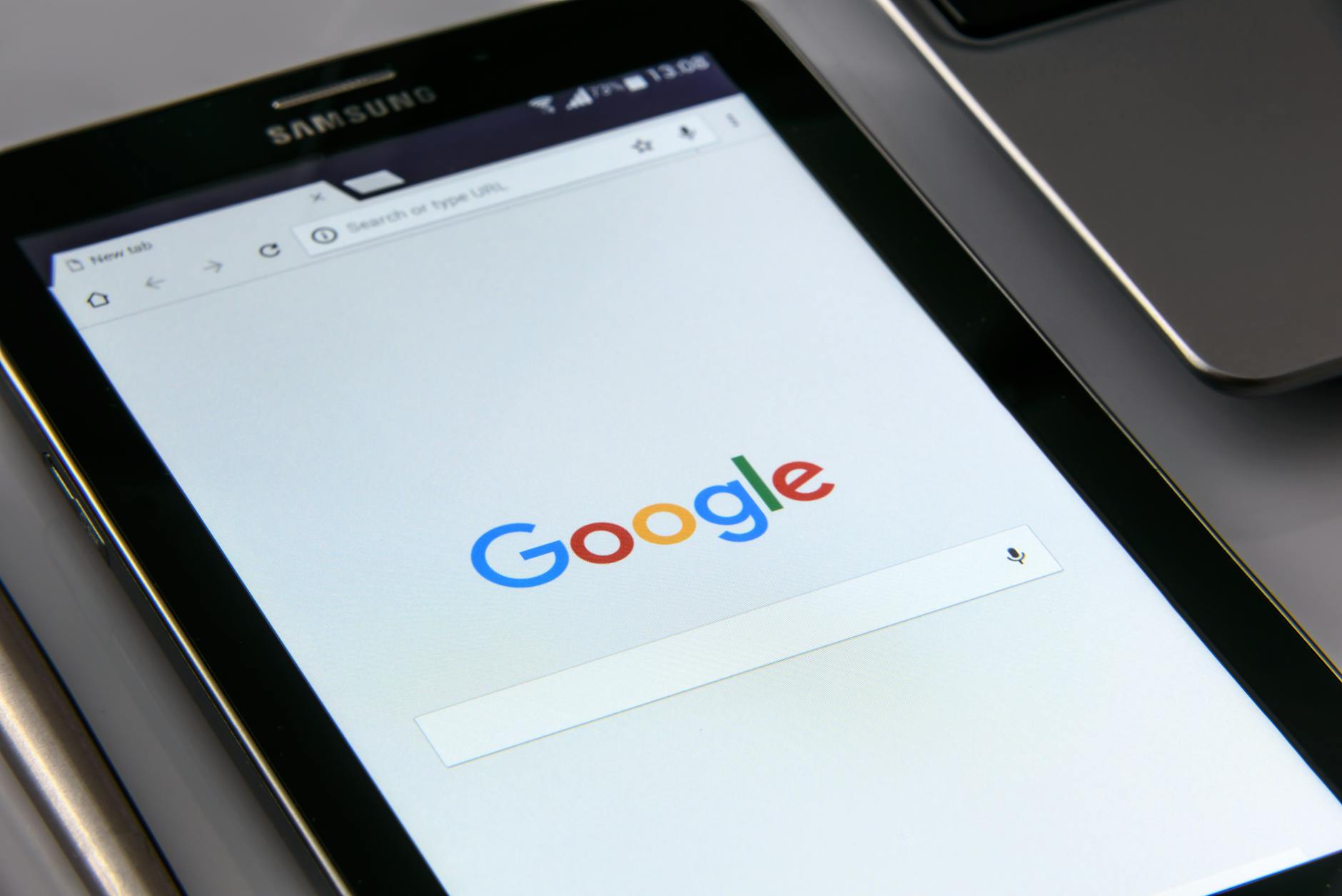
black samsung tablet display google browser on screen
Photo by AS Photography on Pexels.com

Like everyone else, I have been following the news of Google’s troubles. It has been deemed a search engine monopoly—not that we needed a judge to come to that conclusion. Google’s various trials have revealed some amazing details. For example, Google paid Apple $20 billion in 2022 to be the default search engine in the Safari browser. 

That is about $1.67 billion a month. 

In comparison, between 2020 and 2023, Google paid Samsung $8 billion to make Google Search, the Play Store, and Google Assistant the default on Samsung’s mobile devices. That is about $223 million a month over four years. While I understand that comes with desktop installation, the difference between the monthly payments is pretty astounding. 

Source: The Verge


Apple Intelligence: Fud, Dud or Both

silhouette of people standing near wall

John Gruber is not mincing his words.

What Apple showed regarding the upcoming “personalized Siri” at WWDC was not a demo. It was a concept video. Concept videos are bullshit, and a sign of a company in disarray, if not crisis. The Apple that commissioned the futuristic “Knowledge Navigator” concept video in 1987 was the Apple that was on a course to near-bankruptcy a decade later. Modern Apple — the post-NeXT-reunification Apple of the last quarter century — does not publish concept videos. They only demonstrate actual working products and features.

You have to read the whole thing. Gruber is a long-time follower of Apple, close to its high priests and kings. He has a historical understanding of Apple like no other. When he criticizes Apple, you know the situation is much worse. Gruber truly eviscerated Apple over its Apple Intelligence debacle.

As someone who was highly enthusiastic about Apple Intelligence, I have to


[Early Impressions] the M4 MacBook Air


It is the new Apple computers review day — as you can see from the top of Techmeme, which is dominated by the reviews of Apple’s new Mac Studio and MacBook Air models. While Mac Studio is garnering significant attention, the M4 MacBook Air is likely more relevant to everyday users. The new Air offers increased computing power at a lower price point. Apple sent me a 15-inch, maxed-out version of the machine for review. (Jason Snell at Six Colors has a comprehensive review worth reading.)

I can’t properly review a machine in 72 hours. After all, I typically take a year to form an initial opinion on a camera. However, the M4 MacBook Air is different. If someone asked for my recommendation today, I wouldn’t hesitate: If you want a Mac, get the M4 MacBook Air. Your personal preferences and budget should guide your choice between the 13-inch or


iPad at 15: Hit or a Miss?

Yesterday slipped away, and I never got a chance to mark the 15th birthday of the iPad, perhaps one of the most misunderstood products in Apple’s lineup. The confusion over the device is not limited to reviewers or buyers but extends to Apple itself, which hasn’t really been able to give it the direction it deserves. Had Steve Jobs not died, the iPad likely would have received more focus, attention, and appreciation.

Over the years, it’s fair to say the iPad has suffered from a subpar operating system experience. There has been a distinct lack of popular and hit applications. Still, one can’t ignore the amazing hardware and its true capabilities. If only there were more interesting apps — not games — that tapped into what Apple packs into it. The device has been a playground for new technologies — screens, LiDAR, M-class silicon, for example.

Still, there is no


Vision Pro & Lessons of the MacBook Air

It is just over a year since Apple launched its face computer, and seventeen years ago it launched its skinny computer. The trajectory of one tells a lot about the future of the other. But before we get to that, a little trip down memory lane embellished with some grainy photos snapped with old camera phones.

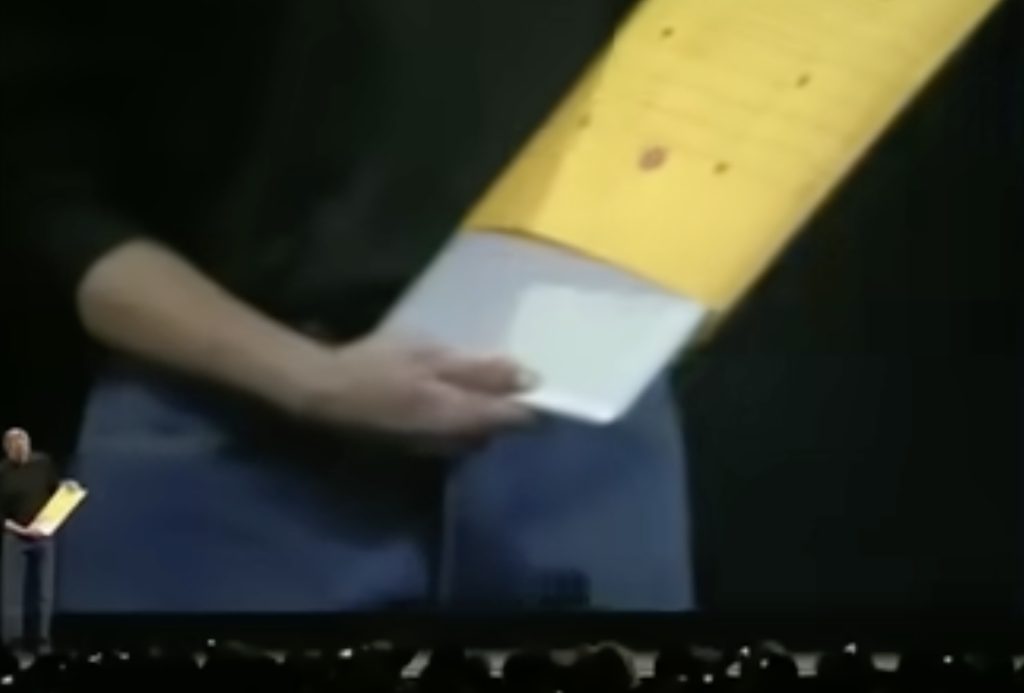
I was still in the hospital, convalescing from my heart attack, when I saw Steve Jobs announce the new tiny MacBook Air. In one simple action, Apple’s co-founder showed why it was superior to all those netbooks. I really miss Jobs’ showmanship — how he slid it out of a manila envelope. Imagine seeing a computer that was 0.16 inches thick at a time when all MacBooks were an inch thick. And it weighed less than 3 pounds compared to traditional computers that tipped the scales at over 5 pounds.

Screenshot

The visual impact