

14 years of Uber
One of the great/weird things about iPhotos is the ‘this day today’ feature. It brings up memories, both good and not-so-good. Today, it popped up a photo of Travis Kalanick hanging out backstage at Loic’s Le Web in 2009. Travis, in case you didn’t know, is the co-founder of Uber along with Garrett Camp. Uber was officially born that year at that event, and for once, the startup origin story is true.
I was looking at the photo when it hit me—Uber is now 14 years old. That’s nearly a decade-and-a-half, which is a lifetime in startup years.
Fast forward to today, and it is now a part of our modern urban infrastructure. A weird idea to ‘get black cars on demand’ turned into a catalyst for the ‘on-demand’ economy. If anyone remembers, the early black cars were mostly Lincoln Continentals with an occasional stretch limo.
It wasn’t until Uber adopted an idea Sunil Paul came up with for his Sidecar that it started to gain traction. Whether it was Instagram, Uber, or Airbnb, most of these companies benefited enormously from anytime-anywhere computing unleashed by the arrival of the iPhone and later Android phones.
It has upended the taxicab industry and, in the process, caused mayhem at both the individual, social, civic, and political levels. However, if you ask any rider, you will probably get the same answer — it is indispensable. (We are not going to talk about the fact that Uber has struggled to be consistently profitable even after all these years.)
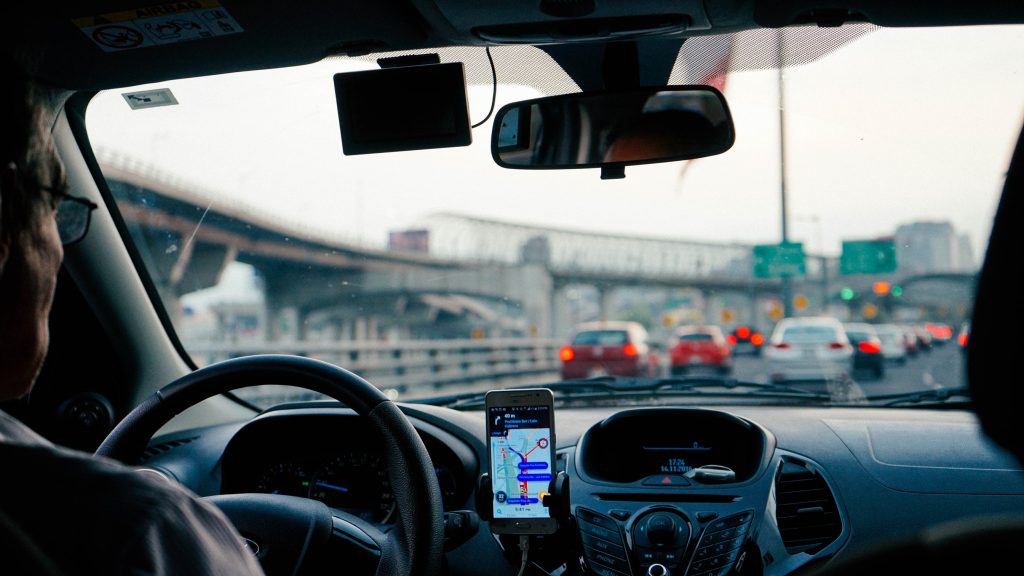
Uber and Lyft have made us accustomed to the act of using a phone to call a car on demand. A decade and a half later, not being able to call up an Uber is an outlier. This behavior is deeply ingrained in our modern lives.
Fourteen years is a good run. Looking ahead, if you have taken even a single ride in Waymo, you can see the clear road to the future. There will be a lot of resistance to Robotaxis, but they are here and aren’t going away.
PS: 2009 to 2023 is fourteen years, not fifteen. Oops! I am sorry for the rookie mistake.
December 8, 2023. San Francisco
From The Archives: Two Essays On Uber
5 thoughts on this post
Comments are closed.
Time flies indeed. Still to this day I consider Uber one of the best example of the app ecosystem allowed by iPhone-era smartphones: access to an API connected to mobile-specific hardware (like a GPS chip), allowing user to do things that were previously not only impossible to do but hard to imagine.
I was at the LeWeb event two years later, when Uber was officially launched in Paris (and I even got the chance to shake your hand then!) Twelve years later I experienced it for the first time, calling a cab like this still feels incredible to me, even if we’ve become used to it.
The time does fly. I think you nailed it API+mobile+network=opportunity. And that is why I am super excited about the opportunities ahead of what we are calling AI right now. It too would be more interesting when unshackled from the “desktop” and is everywhere in our “compute fabric.”
We have Steve Jobs to thank for single handedly resurrecting equal access. Without unfettered access via Wi-Fi the application ecosystem would not have scaled. Equal is open, equal is not free.
Amen to that. I think it is easy to forget how much iPhone enabled in terms of opportunity and societal change. From what I understand you are saying — equal access on any network is open, that doesn’t necessarily mean that the network is free. Or are you saying equal access to the platform is open, even if the platform is not free. Can you elaborate on what you mean “equal” so as to I don’t misunderstand your original meaning?
Equal access was put on notice under the farcical Telecom Act of 1996 and finally killed by the FCC under Bush in 2005. Part-15 spectrum (aka Wi-Fi) is what Jobs needed to make the connection oriented experience seamless and affordable. But equal access was also the economic underpinnings of the Internet in the 90s and what gave the US a 10 year head start. Everywhere else access was metered, but in the US the Bells resorted to flat-rate local service because of the competitive WAN threat. But the data wonks took equal to mean free and permissionless. That’s why we’re in this mess of monopoly silos and wealth and societal divides everywhere.